Las Vegas Real Estate - Everything you must know!

You’ll find our blog to be a wealth of information, covering everything from local market statistics and home values to community happenings. That’s because we care about the community and want to help you find your place in it. Please reach out if you have any questions at all. We’d love to talk with you!

Feb. 5, 2026

2026 Guide to Selling Your Las Vegas Home for Top Dollar

Selling a home in Las Vegas in 2026 is not the same as it was even a few years ago. Buyer behavior has shifted, inventory patterns have changed, and pricing strategies that worked in the past can now leave serious money on the table.

If you’re planning to sell a home in Las Vegas, Henderson, Summerlin, North Las Vegas, or the surrounding areas, this guide walks you step-by-step through exactly how to position, price, market, and negotiate your home to achieve top dollar in today’s market.


Understanding the 2026 Las Vegas Real Estate Market

The Las Vegas housing market in 2026 is defined by informed buyers, selective demand, and hyper-local pricing differences. While demand remains strong due to population growth, job expansion, and lifestyle appeal, buyers are far more price-sensitive and data-driven than in previous cycles.

What This Means for Sellers

  • Overpricing leads to longer days on market and price reductions
  • Homes that are well-prepared and well-priced still sell quickly
  • Professional marketing and negotiation matter more than ever

The sellers who net the most money are not the ones who simply “list” — they are the ones who strategically position their home from day one.


Step 1: Price Your Las Vegas Home Correctly from the Start

Pricing is the single most important factor in selling your home for top dollar.

Why Overpricing Costs You Money

When a home is priced too high:

  • It sits longer on the market
  • Buyers assume something is wrong
  • You lose the critical first 14 days of peak interest
  • Final sale price often ends up lower than if it had been priced correctly

The Right Pricing Strategy in 2026

A strong pricing strategy is based on:

  • Recent comparable sales (not active listings)
  • Adjustments for location, upgrades, condition, and lot type
  • Current buyer demand in your specific neighborhood
  • Market absorption rate and inventory levels

Homes priced correctly often:

  • Receive multiple offers
  • Sell faster
  • Create competitive bidding situations

Step 2: Prepare Your Home to Command a Higher Price

Preparation directly impacts your net proceeds. Buyers in 2026 expect homes to be clean, functional, and move-in ready.

High-ROI Improvements for Las Vegas Homes

You do not need a full remodel. Focus on upgrades that buyers notice immediately:

  • Interior paint in light, neutral tones
  • Deep professional cleaning
  • Landscaping refresh (desert-friendly curb appeal matters)
  • Minor repairs (doors, fixtures, grout, caulking)
  • Updated lighting and hardware

Staging Still Works

Proper staging helps buyers:

  • Emotionally connect with the home
  • Understand scale and layout
  • Visualize themselves living there

Staged homes consistently sell faster and for more money than unstaged properties.


Step 3: Professional Marketing Is Non-Negotiable

In 2026, buyers shop online first. If your home doesn’t stand out digitally, it gets skipped.

What Top-Dollar Marketing Includes

  • Professional photography (not phone photos)
  • Compelling property descriptions with lifestyle appeal
  • Targeted online exposure to qualified buyers
  • Strategic listing launch timing

Your home should look like a premium product, not just another listing.


Step 4: Timing the Sale for Maximum Value

While Las Vegas real estate is active year-round, timing still matters.

Best Times to Sell in Las Vegas

  • Spring and early summer often bring the most buyer activity
  • Inventory levels and interest rates matter more than the calendar
  • Proper pricing can overcome seasonal slowdowns

The key is not when you list — it’s how you launch.


Step 5: Negotiate Like a Pro (This Is Where Money Is Won or Lost)

The highest offer is not always the best offer.

A strong negotiation strategy looks at:

  • Buyer financing strength
  • Appraisal risk
  • Inspection terms
  • Contingencies and timelines
  • Net proceeds, not just sale price

An experienced negotiator can often:

  • Push price higher
  • Reduce seller concessions
  • Protect you from costly surprises
  • Keep deals together through appraisal and inspection

Common Mistakes Las Vegas Home Sellers Make

Avoid these costly errors:

  • Overpricing “to test the market”
  • Skipping preparation to save money
  • Hiring based on commission instead of strategy
  • Accepting the first offer without analysis
  • Failing to plan for appraisal and inspection risks

Selling a home is not just a transaction — it’s a financial strategy.


Why Working with a Local Las Vegas Real Estate Advisor Matters

Las Vegas is not one market — it’s dozens of micro-markets.

What works in:

  • Summerlin
  • Henderson
  • Southwest Las Vegas
  • North Las Vegas

…may not work just a few miles away.

A local expert understands:

  • Neighborhood-specific pricing
  • Buyer behavior by area
  • How to position homes against local competition
  • How to maximize your bottom line, not just get a sale

Final Thoughts: Sell Smarter in 2026

Selling your Las Vegas home for top dollar in 2026 requires:

  • Accurate pricing
  • Strategic preparation
  • Professional marketing
  • Strong negotiation
  • Local market expertise

When done correctly, sellers can walk away with tens of thousands more in net proceeds.


Call to Action

If you’re thinking about selling your home in Las Vegas, Henderson, or Summerlin, get expert guidance before making a move.

📞 Call Vegas Real Estate Advisors at 725-328-1417
🌐 Contact us at VegasRealEstateAdvisors.com

We’ll provide a custom pricing and selling strategy tailored specifically to your home and neighborhood — no pressure, just expert advice.
 

Feb. 5, 2026

Top Las Vegas Neighborhoods Most People Overlook — But Shouldn’t

Hidden Gems With Big Potential in the Las Vegas Housing Market

When most people think of buying a home in Las Vegas, their minds immediately go to Summerlin, Henderson, or the new construction corridors booming around the valley. But seasoned real estate advisors know that some of the best value, best appreciation potential, and best lifestyle benefits exist in neighborhoods that don’t always make the mainstream spotlight.

If you’re searching for a home in Las Vegas—whether as a primary residence, second home, or investment—these overlooked neighborhoods might be exactly what you’ve been missing.

Below is a deep dive into the most underrated communities in the Las Vegas Valley, why they deserve more attention, and what types of buyers they best serve.


1. Peccole Ranch

The most underrated master-planned community in the West Valley

Located between Summerlin and The Lakes, Peccole Ranch is often overshadowed by its high-profile neighbors. Yet it offers:

Why It’s a Hidden Gem

  • Mature tree-lined walking paths (rare for Las Vegas)
  • Larger lots compared to newer builds
  • Quiet, established neighborhoods
  • Excellent proximity to Downtown Summerlin without Summerlin prices

Who It’s Best For

  • Families wanting affordability near Summerlin
  • Buyers seeking mature landscaping
  • Investors searching for strong rental demand

Price Range

Typically lower price per square foot than surrounding areas, offering major value.


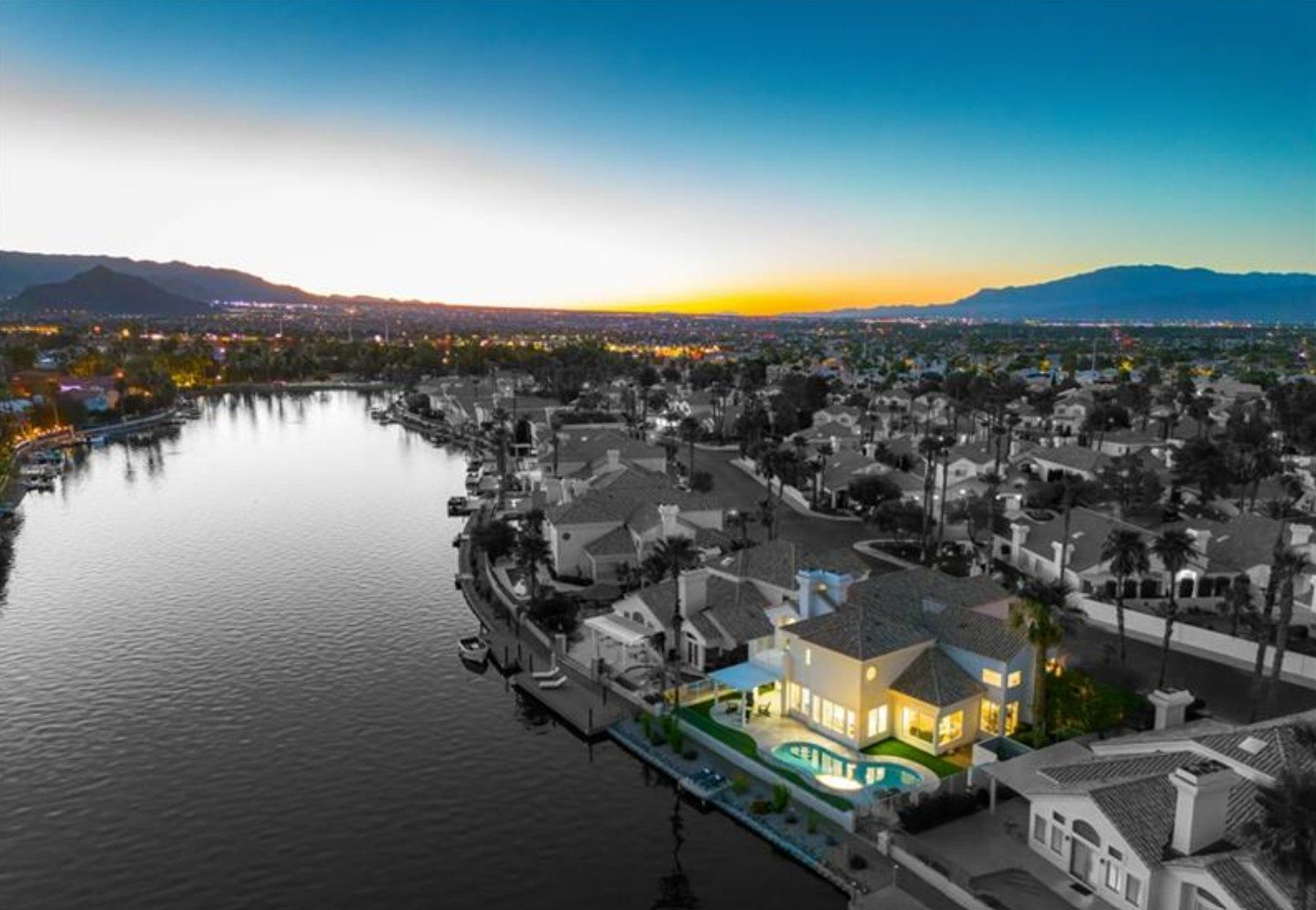
2. The Lakes

Waterfront living in the desert—yes, really

Most newcomers don’t realize that Las Vegas has a true waterfront community. The Lakes, built in the late 1980s and early 1990s, features homes around man-made lakes with private docks and ultra-peaceful surroundings.

Why It’s Overlooked

  • Overshadowed by Summerlin’s rapid growth
  • Older homes compared to newer master-planned communities

Why You Should Consider It

  • Unique waterside living
  • Quiet, peaceful neighborhoods
  • Strong appreciation as inventory remains low

Who It’s Best For

  • Buyers looking for lifestyle over brand-new construction
  • Those wanting a unique retreat within the city

3. Desert Shores

A tropical oasis with unbeatable charm

Just north of Summerlin lies Desert Shores, one of the most character-filled communities in Las Vegas.

Hidden Advantages

  • Private lakes and paddle boats
  • Community lagoon-style swimming area
  • Waterfront restaurant access
  • Excellent walkability

Why Buyers Miss It

It doesn’t have the “new construction shine”—but it’s one of the most memorable neighborhoods in the valley.

Best For

  • Families and retirees
  • Buyers wanting a resort-like lifestyle
  • Investors seeking strong rental demand

4. Silverado Ranch

Location, convenience, and affordability in the heart of the valley

South of the Strip and just east of the booming Inspirada corridor, Silverado Ranch offers incredible access and affordability.

Why It’s a Hidden Gem

  • Close to McCarran Airport, Allegiant Stadium, Strip employment centers
  • Wide variety of home sizes
  • Excellent starter homes and rental properties

Who It’s Best For

  • First-time buyers
  • Military families (easy access to Nellis and Creech)
  • Long-term investors

Key Trend

Homes here rent fast—making it a favorite for investors quietly building portfolios.


5. Providence

Summerlin lifestyle without the Summerlin price tag

Located in the far Northwest, Providence is a beautifully planned community often overlooked because it’s not technically Summerlin.

Why Buyers Should Pay Attention

  • Parks, trails, and community events
  • Newer construction
  • Quick freeway access to the 215 and 95
  • Strong growth corridor

Best For

  • Families
  • Buyers priced out of Summerlin
  • Long-term investors seeking equity growth

6. Centennial Hills

A rapidly developing area with major upside

Centennial Hills is no longer the quiet suburb it was 10 years ago. With major hospital expansion, retail development, and freeway improvements, it’s one of the strongest growth markets in the valley.

Why It’s Overlooked

Buyers assume it’s too far north—but freeway access has changed everything.

Major Advantages

  • Lower prices per square foot
  • Newer builds & custom home pockets
  • Quiet suburban lifestyle

Best For

  • Buyers wanting modern homes and space
  • Investors seeking growing rental areas

7. Whitney Ranch

One of Henderson’s best-kept secrets

Situated near Green Valley, Whitney Ranch blends convenience with affordability.

Why Buyers Miss It

It’s overshadowed by high-end communities like Green Valley Ranch and MacDonald Highlands.

Why It Shouldn’t Be Overlooked

  • Minutes from Galleria Mall and Sunset Station
  • Green Valley schools
  • Mature, well-kept communities
  • Excellent value for Henderson property

Best For

  • First-time buyers
  • Families wanting great schools
  • Long-term investors

8. Paradise Hills

A quiet Henderson hillside community with mountain views

Nestled above East Henderson, this area offers spacious homes, low traffic, and a peaceful lifestyle.

Hidden Benefits

  • Larger lots
  • Mountain and city views
  • Quiet residential feel

Best For

  • Buyers seeking privacy
  • Families wanting space without HOA-heavy neighborhoods

9. Mountains Edge

One of the Southwest’s strongest long-term performers

While not exactly unknown, Mountains Edge is often underestimated.

Why It Deserves More Attention

  • Highly disciplined master plan
  • Dozens of parks and community areas
  • Strong resale demand
  • Great value compared to adjacent areas

10. Sun City Summerlin (for 55+)

A luxury 55+ lifestyle without the luxury price

Often overshadowed by newer 55+ developments, Sun City Summerlin is one of the best retirement communities in the country—let alone Nevada.

Why It Should Be on More Buyer Lists

  • Golf courses
  • Community centers
  • Incredible mountain and city views
  • Extremely strong resale stability

Why These Overlooked Neighborhoods Offer Strong Opportunity

Better price per square foot than premium master plans

Established communities with character

Long-term appreciation potential

Strong rental demand

Proximity to amenities without premium pricing

Many of these neighborhoods quietly outperform expectations because savvy buyers recognize value where mainstream buyers aren’t looking.


Which Hidden Gem Is Right for You?

Choosing the right neighborhood depends on your:

  • Budget
  • Lifestyle preferences
  • Commute needs
  • Investment goals
  • Long-term plans

Our team provides in-depth neighborhood analysis, personalized recommendations, and market insights you won’t find online.


Ready to Explore Las Vegas Neighborhoods You Might Have Missed?

Whether you’re buying, selling, or investing, we can help you uncover the best opportunities in the Las Vegas market—hidden gems included.

📞 Call Vegas Real Estate Advisors at 725-328-1417
🌐 Visit VegasRealEstateAdvisors.com

Let’s find the neighborhood that truly fits your lifestyle and goals.


Feb. 4, 2026

The Arts District: Culture, Homes, and Hidden Gems

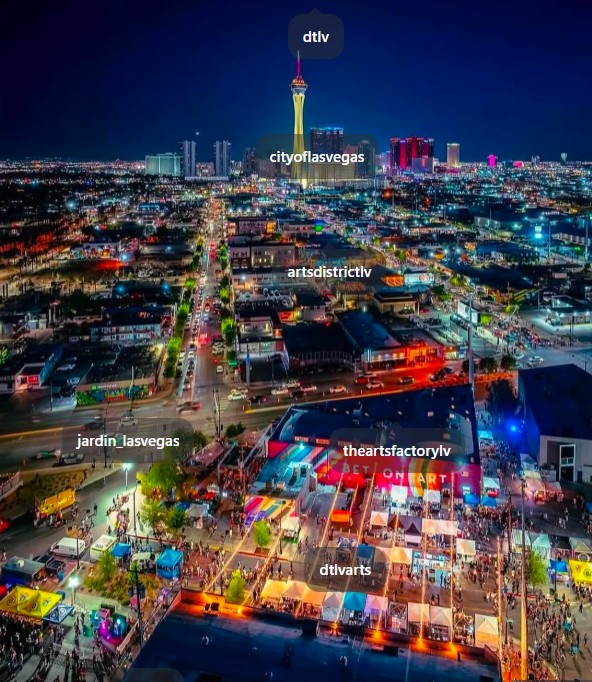
Las Vegas is known worldwide for entertainment and nightlife, but just minutes from the Strip lies one of the city’s most authentic and fastest-evolving neighborhoods—the Las Vegas Arts District, also known as 18b. This creative enclave blends culture, history, and urban living, making it one of the most desirable areas for homeowners, investors, and entrepreneurs looking for something beyond the master-planned mold.

From repurposed warehouses and historic cottages to galleries, breweries, and local businesses, the Arts District offers a lifestyle that’s walkable, expressive, and distinctly Vegas.


Where Is the Las Vegas Arts District?

The Arts District is located just south of Downtown Las Vegas and north of the Strip, centered along Main Street, Charleston Boulevard, and Casino Center Drive. Its central location offers quick access to Downtown, the Medical District, Allegiant Stadium, and major freeway corridors—making it ideal for residents who want proximity without the chaos of resort traffic.


The Culture That Defines the Arts District

What sets the Arts District apart is its culture. This is a neighborhood built on creativity, community, and independent thinking.

Art, Music, and Local Expression

The district is home to dozens of art galleries, creative studios, and performance spaces showcasing local and international talent. Monthly art walks draw residents and visitors alike, turning the streets into an open-air celebration of art, music, and food.

Breweries, Coffee, and Culinary Standouts

Craft breweries, local coffee roasters, cocktail lounges, and chef-driven eateries define the social heartbeat of the area. The Arts District is known for supporting small, locally owned businesses, giving it an authentic feel that’s increasingly rare in major metro areas.

History Meets Modern Energy

Many buildings in the Arts District date back decades and have been thoughtfully restored or reimagined. This mix of industrial character and modern design creates a neighborhood that feels layered, lived-in, and alive.


Homes and Real Estate in the Arts District

The Arts District real estate market is diverse, urban, and limited in supply—one of the reasons it continues to attract buyers and investors.

Property Types You’ll Find

  • Historic single-family homes
  • Renovated mid-century residences
  • Industrial-style lofts and condos
  • Mixed-use residential properties
  • Live-work spaces

Many homes feature unique layouts, original architectural details, and modern upgrades that appeal to buyers looking for something distinctive.

Who Buys in the Arts District?

  • Creative professionals
  • Entrepreneurs and small business owners
  • Investors focused on long-term appreciation
  • Buyers relocating from major urban markets
  • Homeowners seeking walkable neighborhoods

The demand for character-driven housing continues to push values upward, especially as redevelopment expands outward from Downtown.


Investment Opportunities and Growth Potential

The Arts District has become one of the most talked-about real estate investment areas in Las Vegas. Ongoing revitalization, zoning flexibility, and proximity to Downtown redevelopment have positioned the area for continued growth.

Key investment drivers include:

  • Limited inventory and high demand
  • Strong short-term and long-term rental appeal
  • Continued commercial and residential redevelopment
  • Increased interest from out-of-state buyers
  • Cultural significance that resists overdevelopment

Investors who understand zoning, property use, and neighborhood trends are best positioned to capitalize on opportunities here.


Hidden Gems of the Arts District

Beyond its well-known galleries and breweries, the Arts District is full of under-the-radar spots that locals love:

  • Quiet residential streets tucked just off Main Street
  • Pocket parks and community gathering spaces
  • Independent boutiques and vintage shops
  • Emerging creative studios and maker spaces
  • Local events that foster real neighborhood connection

These hidden gems are what turn first-time visitors into long-term residents.


Living in the Arts District: Lifestyle & Community

Living in the Arts District means being part of a neighborhood—not just a zip code. Residents enjoy:

  • Walkability to dining, art, and entertainment
  • A strong sense of local pride and community
  • Easy access to Downtown Las Vegas and the Strip
  • A creative, non-cookie-cutter environment
  • A mix of old Vegas character and modern energy

It’s a lifestyle that appeals to those who value individuality and culture as much as location.


Buying or Selling in the Arts District

Because the Arts District is unique, buying or selling here requires local expertise. Pricing varies block by block, and understanding redevelopment trends, zoning, and buyer demand is critical.

A knowledgeable real estate advisor can:

  • Identify true market value
  • Spot under-the-radar opportunities
  • Navigate zoning and use restrictions
  • Strategically position properties for resale
  • Protect your investment long term

Ready to Explore the Arts District?

Whether you’re looking to buy, sell, or invest in the Las Vegas Arts District, expert guidance makes all the difference.

Contact Vegas Real Estate Advisors today for real insight, strategic advice, and market expertise you can trust.
📞 Call us at 725-328-1417
🌐 Visit VegasRealEstateAdvisors.com

Discover what makes the Arts District one of Las Vegas’ most exciting places to live—and invest.


Feb. 3, 2026

The Ultimate Guide to Buying a Home in Las Vegas in 2026

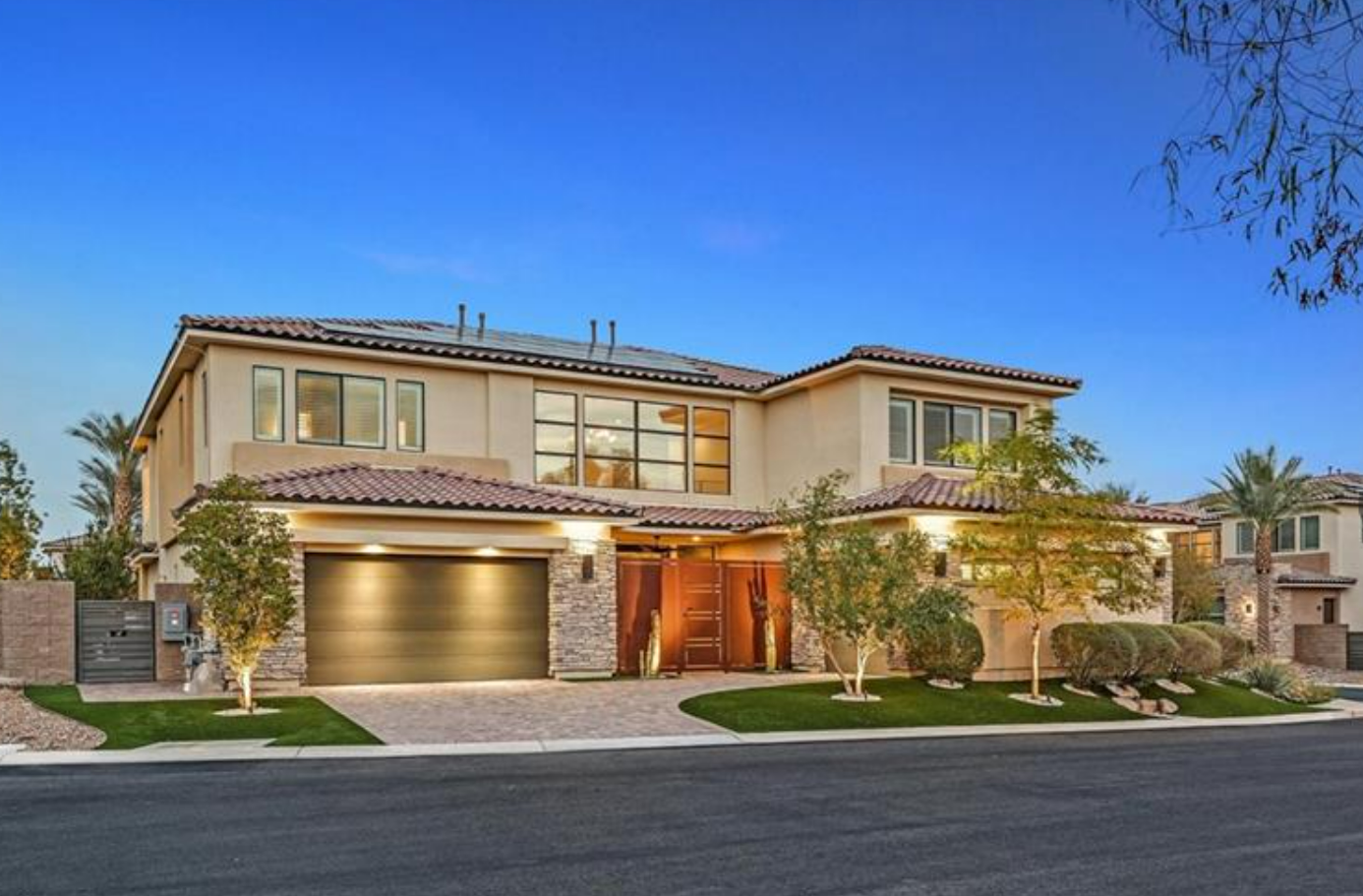
Buying a home in Las Vegas in 2026 presents a powerful opportunity—whether you’re a first-time buyer, relocating, upgrading, or investing. With continued population growth, strong job expansion, no state income tax, and diverse housing options, Las Vegas remains one of the most attractive real estate markets in the country. That said, navigating this market successfully requires strategy, preparation, and the right local guidance.
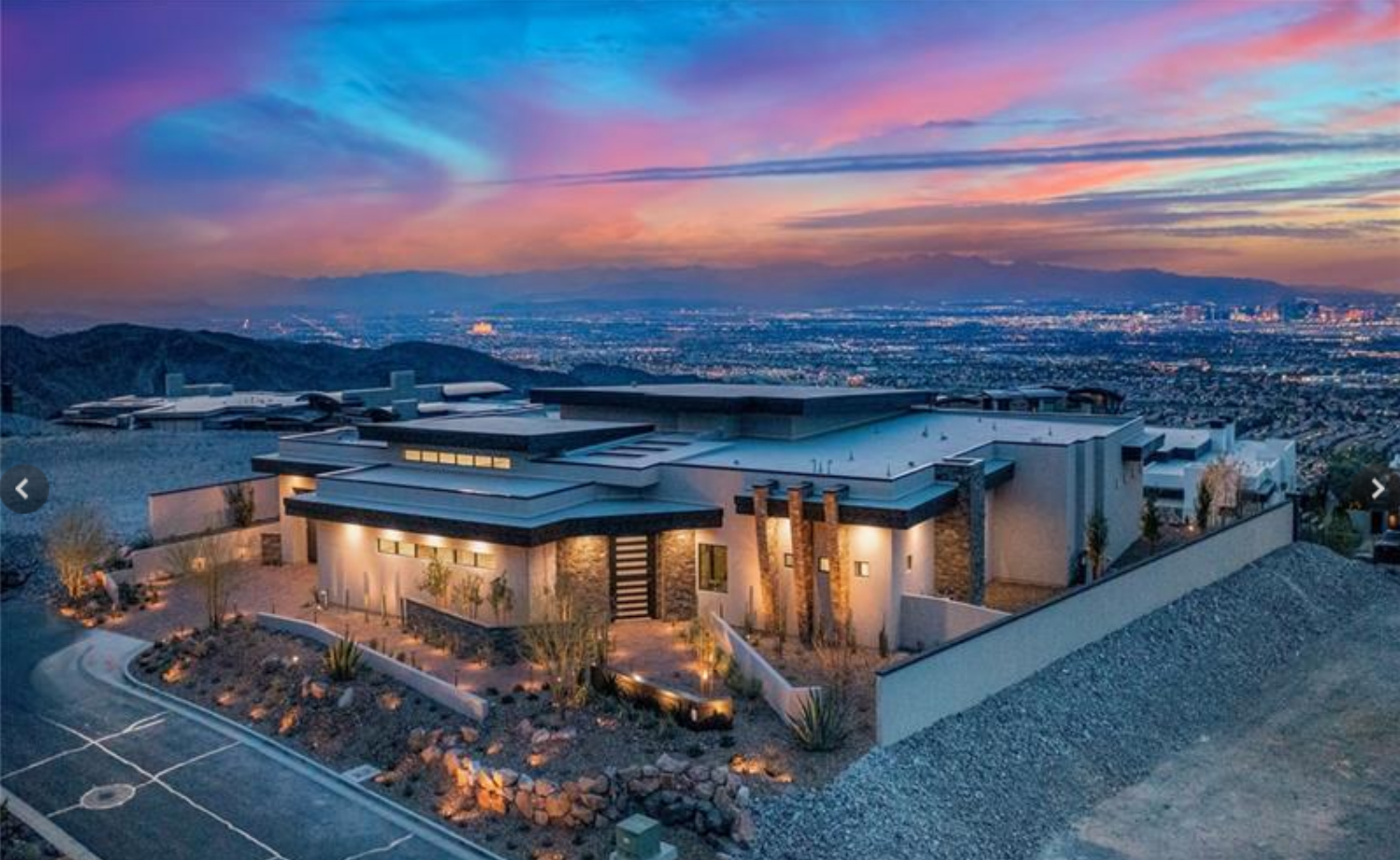
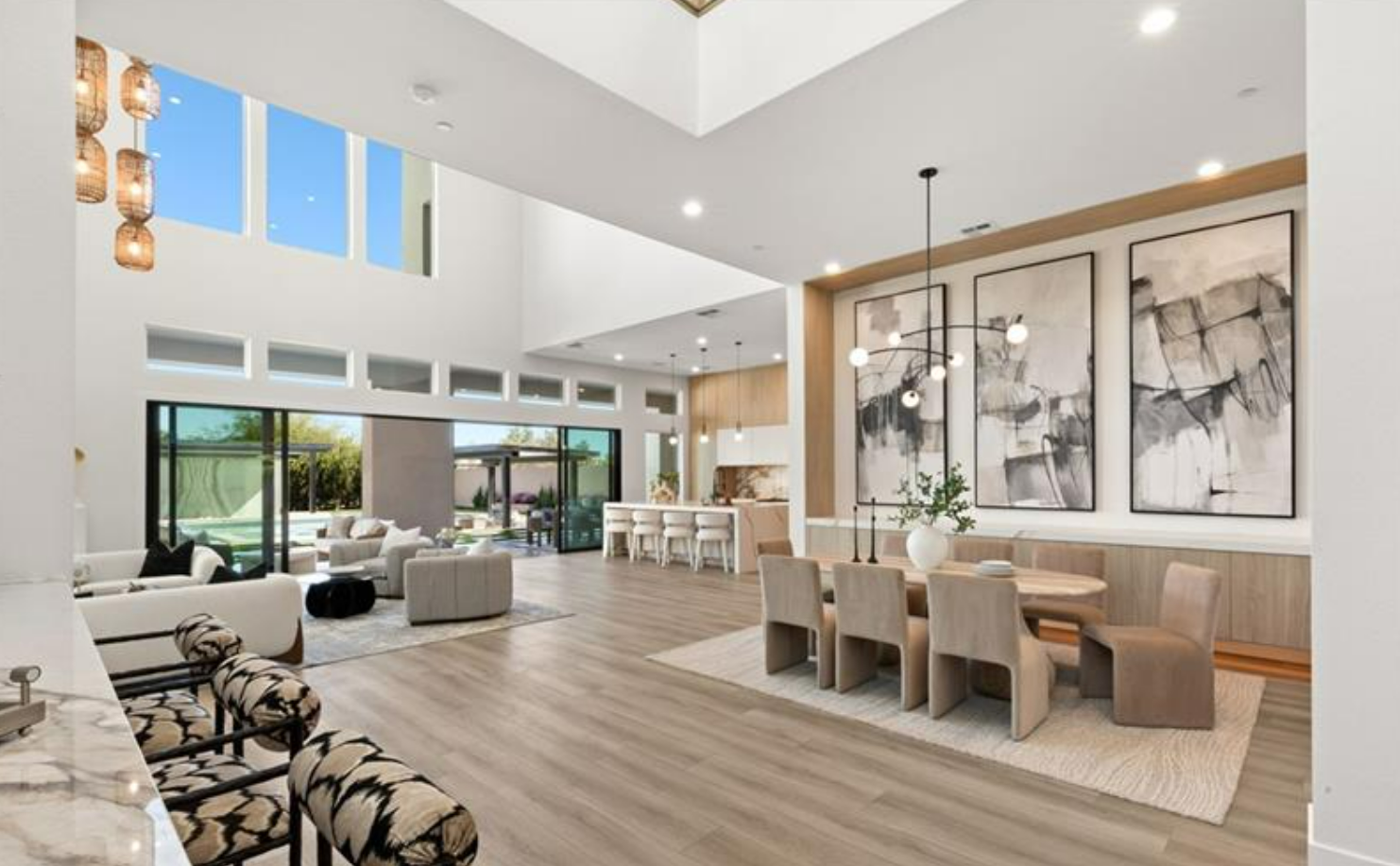
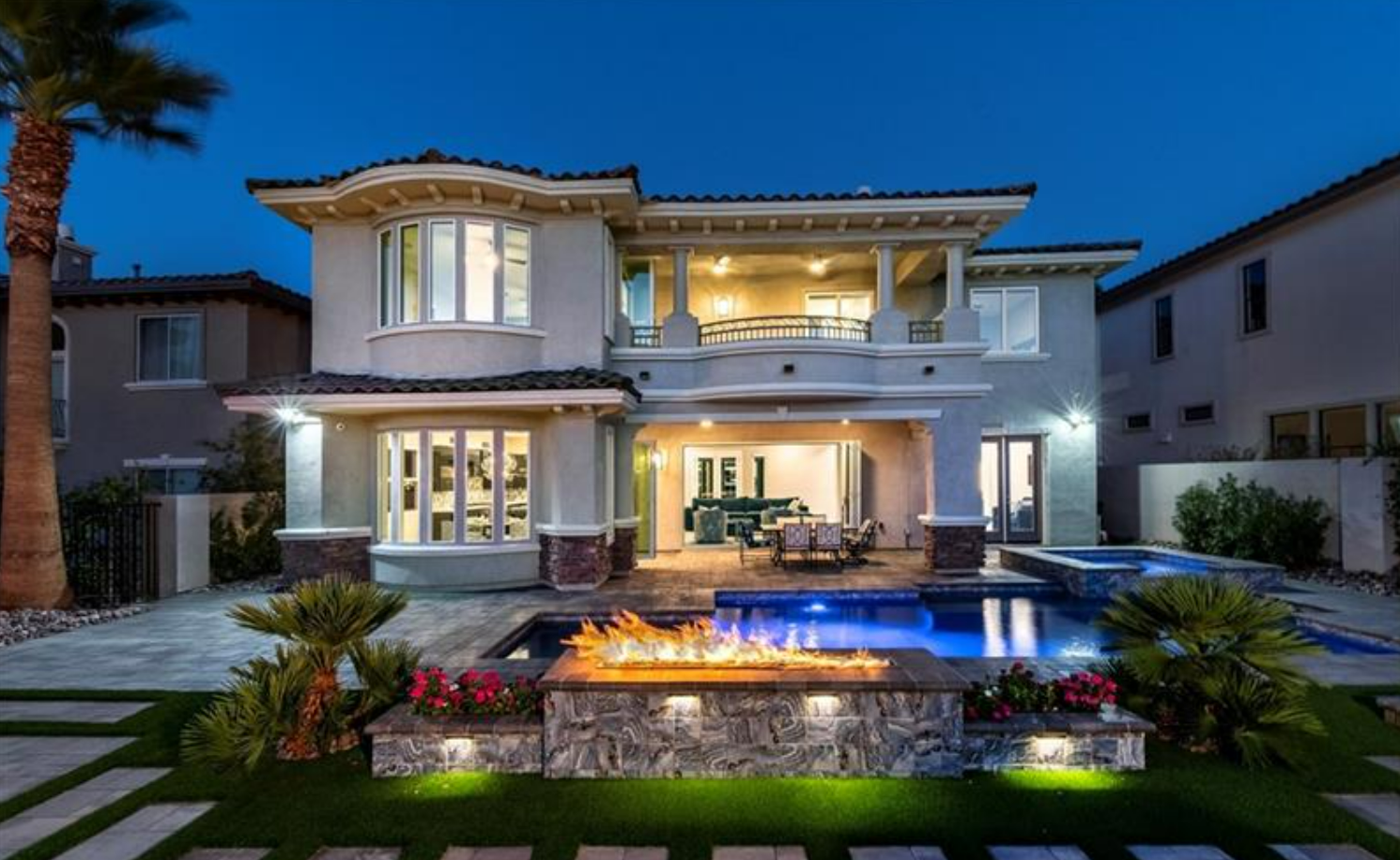
This comprehensive guide breaks down everything you need to know to buy a home in Las Vegas in 2026—from market conditions and financing to neighborhoods, new construction, and closing costs.


Why Buy a Home in Las Vegas in 2026?

Las Vegas continues to attract buyers from California, the Pacific Northwest, Texas, and the Midwest. Key drivers include:

  • No state income tax
  • Relative affordability compared to other major metro areas
  • Strong job growth in healthcare, tech, logistics, and professional services
  • Ongoing infrastructure and community development
  • A wide range of housing options—from high-rise condos to luxury estates

In 2026, buyers benefit from a more balanced market than previous peak years, with improved inventory levels and greater negotiating power when working with an experienced Las Vegas real estate advisor.


Understanding the Las Vegas Housing Market in 2026

The Las Vegas real estate market in 2026 is best described as strategic and data-driven. While demand remains strong, buyers who are prepared and well-advised have opportunities to negotiate pricing, terms, and concessions.

Key market characteristics include:

  • Neighborhood-specific pricing trends
  • Increased resale and new construction inventory
  • Builder incentives on select new builds
  • Continued demand for move-in-ready homes
  • Strong interest in master-planned communities

Understanding micro-markets—rather than relying on citywide averages—is critical to making a smart purchase.


Step-by-Step Process to Buying a Home in Las Vegas

1. Get Pre-Approved Before You Shop

A lender pre-approval defines your true buying power and strengthens your offer. In competitive situations, sellers prioritize buyers who are fully vetted and financially ready.

2. Define Your Priorities

Key considerations include:

  • Location and commute
  • Budget comfort, not just maximum approval
  • Property type (single-family, condo, townhome, high-rise)
  • HOA requirements and fees
  • Long-term plans and resale potential

3. Choose the Right Neighborhood

Las Vegas is a collection of distinct communities, each offering a different lifestyle:

  • Summerlin: Master-planned, parks, trails, top amenities
  • Henderson: Family-focused, luxury enclaves, strong schools
  • Southwest Las Vegas: New construction and value-driven options
  • Downtown / Arts District: Urban living and redevelopment
  • High-Rise Corridor: Strip and city-view condominiums

A local advisor helps match lifestyle goals with market realities.

4. Touring Homes & Making an Offer

Once the right property is identified, your agent will:

  • Analyze comparable sales
  • Assess true market value
  • Advise on offer structure and terms
  • Negotiate price, repairs, and concessions

In 2026, offer strength is about strategy—not just price.


New Construction vs. Resale Homes in Las Vegas

New Construction

Pros:

  • Builder warranties
  • Customization options
  • Energy efficiency
  • Builder incentives (rate buydowns, closing costs)

Cons:

  • Longer timelines
  • HOA and SID/LID considerations
  • Limited negotiation on base price

Resale Homes

Pros:

  • Established neighborhoods
  • Faster move-in
  • Mature landscaping
  • Negotiation flexibility

Cons:

  • Potential repairs
  • Older systems

Your advisor will help evaluate which option aligns best with your goals.


Financing a Home in Las Vegas

Common loan options in 2026 include:

  • Conventional loans
  • FHA loans
  • VA loans
  • Jumbo loans for luxury properties

Down payment requirements, interest rates, and loan programs vary. Working with trusted local lenders ensures smoother closings and fewer surprises.


Closing Costs & What to Expect

Buyers should budget for:

  • Loan origination fees
  • Appraisal and inspection costs
  • Title and escrow fees
  • HOA transfer fees
  • Prepaid taxes and insurance

In many cases, closing costs can be negotiated as part of the purchase agreement.


Why Working With a Las Vegas Real Estate Advisor Matters

Buying a home is one of the largest financial decisions you’ll ever make. A knowledgeable Las Vegas real estate advisor provides:

  • Market-specific pricing insight
  • Negotiation expertise
  • Access to off-market and pre-market opportunities
  • Protection during inspections and appraisals
  • Clear communication from contract to closing

The difference between a good deal and a great one often comes down to representation.


Ready to Buy a Home in Las Vegas?

Whether you’re buying your first home, relocating, or investing, expert guidance matters—especially in a dynamic market like Las Vegas.

Contact Vegas Real Estate Advisors today to start your home-buying journey with confidence.
📞 Call us at 725-328-1417
🌐 Visit VegasRealEstateAdvisors.com

Our team delivers real data, real strategy, and real results—every step of the way.


Dec. 8, 2025

Luxury Market Trends: MacDonald Highlands, The Ridges & Ascaya


A Deep Dive Into Las Vegas’ Most Prestigious Communities

Las Vegas has become one of the fastest-growing luxury real estate markets in the United States, drawing affluent buyers from California, New York, Texas, and international hubs across the world. As demand rises for ultra-luxury homes offering privacy, views, architectural excellence, and premier amenities, three communities consistently outperform the rest: MacDonald Highlands, The Ridges, and Ascaya.

These enclaves represent the pinnacle of upscale living in Southern Nevada, each offering distinct advantages—in lifestyle, design, amenities, and long-term investment potential. Below is a detailed look at current market trends, buyer behavior, price movement, and what makes each community stand out.


1. MacDonald Highlands: Modern Luxury With Unrivaled Views

MacDonald Highlands, perched high above Henderson, is known for its dramatic elevation, panoramic Las Vegas Strip views, and world-class DragonRidge Country Club.

Current Market Trends

Rising Demand for Modern Custom Builds

Homes with glass walls, indoor/outdoor living, and minimalist architecture are commanding premium prices.

Limited Inventory at the Top End

Custom lots and new-build opportunities are disappearing quickly, increasing values for existing estates.

High Attraction for Out-of-State Buyers

California transplants remain the majority of the high-end buyer profile, specifically seeking:

  • No state income tax
  • Guard-gated privacy
  • Strip and mountain views

Price Trends

  • Entry luxury (semi-custom): Low $3M+
  • Modern custom estates: $5M–$15M
  • Ultra-luxury hillside properties: $15M–$25M+

Why Buyers Choose MacDonald Highlands

  • Some of the best Strip views in all of Las Vegas
  • Guard-gated with elite security
  • Modern architecture dominates the community
  • DragonRidge Golf Club and a premier athletic center
  • Quick freeway access to the airport and the Strip

MacDonald Highlands consistently ranks as one of the strongest long-term equity performers for custom luxury homes in Southern Nevada.


2. The Ridges: The Epitome of Modern Desert Luxury

Located in Summerlin, The Ridges is one of the most architecturally significant luxury communities in the region. The majority of homes here feature desert-contemporary design, extensive use of natural materials, and seamless indoor-outdoor living.

Current Market Trends

Highest Price Per Square Foot in Summerlin

The Ridges commands premium PPSF due to:

  • Scarcity of land
  • Strict architectural standards
  • Proximity to top-ranked amenities

Strongest Luxury Buyer Demand in West Las Vegas

Demand remains extremely strong, especially among executives, athletes, and international buyers seeking a "lock-and-leave" lifestyle.

Golf-Backed Value Stability

Bear’s Best Golf Course enhances long-term value stability and resale desirability.

Price Trends

  • Entry luxury: $3M+
  • Custom homes: $6M–$12M
  • Ultra-luxury estates: $12M–$25M+

Why Buyers Choose The Ridges

  • Exclusive guard-gated community
  • Bear’s Best Golf Course views
  • Home to Club Ridges, a private community fitness center
  • Close to Downtown Summerlin, restaurants, and top-tier schools
  • Architectural consistency and design excellence

The Ridges remains one of the most sought-after neighborhoods for luxury relocation clients, especially those prioritizing lifestyle convenience and modern desert aesthetics.


3. Ascaya: The Height of Custom Luxury Living

Ascaya is known as the elite community reserved for those seeking architectural artistry, exceptional privacy, and some of the highest elevation lots in all of Southern Nevada.

Current Market Trends

Rapid Growth in New Construction

Unlike older luxury communities, Ascaya is still expanding—and doing so rapidly.

Builders and architects are producing some of the most innovative designs in the region, attracting luxury purchasers who want the newest, most advanced homes available.

High-End Technology & Energy Efficiency

Homes here commonly feature:

  • Net-zero designs
  • High-efficiency solar arrays
  • Smart-home automation
  • Leading-edge HVAC & climate systems

Increasing Demand From International Buyers

Ascaya has built a global reputation for elite architectural standards and world-class amenities.

Price Trends

  • Custom lots: $1M–$3M+
  • Custom homes: $6M–$12M
  • Architectural showpiece estates: $15M–$30M+

Why Buyers Choose Ascaya

  • The most impressive elevation views in Henderson
  • Ultra-luxury amenities including a 23,000-sq-ft clubhouse, pool, fitness center, and social programs
  • Strict and curated architectural guidelines
  • Rare, oversized custom lots for dramatic estate homes

Ascaya appeals to buyers who value exclusivity, privacy, and architectural excellence over proximity to city centers.


4. Market Comparison: MacDonald Highlands vs. The Ridges vs. Ascaya

Feature

MacDonald Highlands

The Ridges

Ascaya

Location

Henderson

Summerlin

Henderson (elevated mountainside)

Price Range

$3M–$25M+

$3M–$25M+

$6M–$30M+

Home Style

Modern custom, hillside estates

Desert contemporary, golf-course estates

Ultra-modern architectural showpieces

Best For

Strip views & modern builds

Golf amenities, modern luxury

Exclusivity, privacy, ultra-custom estates

Buyer Type

Relocation, executives, celebrities

Professionals, athletes, families

High-net-worth individuals & international buyers

Each community attracts a different lifestyle preference, but all share one key feature: they represent the top tier of Las Vegas luxury real estate.


5. Who Is Driving the Las Vegas Luxury Market?

California buyers seeking tax advantages

Tech-sector professionals relocating for remote work

Retirees with large equity positions

Athletes and entertainers wanting privacy

International buyers seeking a U.S. luxury base

Investors choosing stable, high-growth luxury neighborhoods

These buyer types have contributed to low inventory levels and rising home values across all three communities.


6. Future Market Outlook for High-End Communities

Continued Low Inventory of Custom Lots

Particularly in The Ridges and MacDonald Highlands, where new land releases are scarce.

Price Growth Expected to Remain Strong

Luxury demand is not expected to ease, especially with ongoing migration from high-tax states.

Modern Architecture Will Continue to Dominate

Buyers prefer glass, steel, natural materials, and clean lines over Mediterranean or Tuscan designs.

High-End Amenities Will Drive Value

Communities offering wellness centers, private dining, curated social events, and high-security gates will continue to outperform.


7. Is Now a Good Time to Buy Luxury Property in Las Vegas?

If you are considering purchasing in MacDonald Highlands, The Ridges, or Ascaya, now remains a strong strategic moment based on:

  • Anticipated future price increases
  • Limited inventory of premium lots
  • Strong relocation demand
  • Favorable tax climate
  • International buyer resurgence

Luxury real estate in Las Vegas is performing at one of its highest levels in history—and these three communities represent the core of that momentum.


Ready to Explore Las Vegas’ Top Luxury Communities?

Whether you're comparing the hillside magnificence of Ascaya, the modern prestige of The Ridges, or the panoramic views of MacDonald Highlands, our team provides in-depth knowledge, private community insights, and luxury-level advisory services.

We can help you evaluate market trends, tour available properties, review architectural opportunities, and negotiate the best possible purchase.

📞 Call Vegas Real Estate Advisors at 725-328-1417
🌐 Visit VegasRealEstateAdvisors.com

Your luxury home journey begins with the right guidance.


Dec. 8, 2025

The Power of Staging: Why It Makes a Bigger Difference in Vegas

How Professional Staging Maximizes Your Sale Price in the Las Vegas Market

If you plan to sell your home in Las Vegas, staging is no longer optional—it’s a strategic advantage. In a market where buyers often come from out of state, expect luxury finishes, and shop heavily online before ever stepping foot in the city, the presentation of your home directly impacts your final sales price.

Staging isn’t just about decorating. It’s about transforming your property into a highly marketable product—one that stands out among thousands of listings across Las Vegas, Henderson, and Summerlin.

Below is a deep dive into why staging is more powerful in the Las Vegas market than most sellers realize, how it influences buyer psychology, and what you can expect in terms of return on investment.


Why Staging Matters More in Las Vegas Than in Other Markets

Las Vegas attracts a unique blend of buyers:

  • Relocators from California, Arizona, and the East Coast
  • Investors seeking strong rental returns
  • Second-home buyers looking for vacation retreats
  • Luxury buyers expecting resort-style aesthetics

This mix creates a higher visual standard. Buyers want homes that feel fresh, polished, and ready to enjoy now. Staging helps sellers meet (and exceed) those expectations.

The Vegas Buyer Mindset

Because of the city’s brand—luxury, entertainment, lifestyle—buyers anticipate a certain look and feel. Homes that don’t fit the “Las Vegas lifestyle experience” tend to sit longer and sell lower.

Staging bridges that gap.


1. Staging Makes Your Home Stand Out Online

90%+ of Vegas buyers begin their search online.

Las Vegas is an online-driven market. That means your listing photos matter just as much as the home itself.

Staged Homes Achieve:

  • Brighter, more inviting photos
  • Better scale and room definition
  • A polished, cohesive look
  • Higher click-through rates
  • Stronger emotional engagement

Buyers scrolling through hundreds of listings stop on the ones that feel more expensive—and staging makes that happen.


2. Staging Helps Out-of-State Buyers Connect Emotionally

Las Vegas has one of the highest relocation rates in the country. Many buyers purchase homes without being local, and some even buy sight unseen.

Staging Helps Them Visualize:

  • How their furniture will fit
  • The flow of the home
  • The comfort and lifestyle the property offers

Unstaged homes often look smaller, darker, or outdated in photos. Staging solves that instantly.


3. Staging Competes Against New Builds

New construction is booming across the valley—in Summerlin, Henderson, North Las Vegas, and the Southwest.

These model homes are:

  • Professionally designed
  • Perfectly lit
  • Styled with trendy furniture and neutral palettes

Your resale home competes directly with those polished models. Staging levels the playing field and helps your home feel modern, cohesive, and move-in ready.


4. Staging Highlights Your Home’s Best Features

A professional stager knows how to enhance the architectural strengths of your Las Vegas property.

Staging Accentuates:

  • High ceilings
  • Open floor plans
  • Mountain or Strip views
  • Resort-style backyards
  • Luxury finishes
  • Natural light

Even small or awkward rooms can be transformed into purposeful spaces.


5. Staging Minimizes Flaws and Distractions

Every home has imperfections—staging makes them less noticeable.

Common Vegas Home Issues Staging Helps Reduce:

  • Empty rooms that seem smaller
  • Dated flooring or fixtures
  • Odd floor plan angles
  • Rooms lacking identity
  • Small bedrooms that appear larger when staged

This can dramatically shift buyer perception and improve offers.


6. Staging Helps Homes Sell Faster and for More Money

While results vary, staged homes in Las Vegas often achieve:

  • Higher sale prices
  • Multiple offers
  • Faster days on market
  • More competitive buyer interest

In a city where visual appeal is everything, staging becomes a high-ROI strategy.

Typical ROI in Vegas

Sellers often recoup 5x to 15x the cost of staging through:

  • Higher offers
  • More showings
  • Fewer price reductions

7. Luxury Homes Require Professional Staging More Than Ever

Luxury buyers in neighborhoods like:

  • The Ridges
  • MacDonald Highlands
  • Ascaya
  • Summerlin
  • Southern Highlands

expect a certain level of design. High-end staging helps create an emotional connection and highlights the lifestyle buyers want to experience.

Luxury staging delivers:

  • Custom furniture layouts
  • Curated art pieces
  • Designer lighting
  • High-end décor
  • Resort-inspired spaces

In the luxury segment, staging isn’t just beneficial—it’s essential.


8. Vacant Homes Perform Poorly Without Staging

A vacant home:

  • Feels cold
  • Looks smaller
  • Shows flaws more clearly
  • Has no emotional anchor

Buyers struggle to understand room purpose, furniture scale, or layout flow.

Staging creates structure, warmth, and visual clarity.


9. Staging Sets You Apart in a Competitive Market

When inventory rises, staged homes get prioritized by:

  • Agents
  • Buyers
  • Online algorithms
  • Marketing platforms

Your home becomes more memorable, more desirable, and more competitive.


10. Staging Strengthens Marketing Across All Channels

Staging doesn’t just help with showings—it elevates your entire marketing package.

A Staged Home Improves:

  • Professional photography
  • Drone video
  • 3D walkthroughs
  • Social media ads
  • Open house appeal
  • Print materials

Your listing becomes a premium product—one that attracts premium buyers.


How Much Does Staging Cost in Las Vegas?

Costs vary depending on:

  • Size of the home
  • Value of the home
  • Number of rooms staged
  • Whether the home is vacant or occupied
  • Style and furniture selection

Typical staging packages range from basic to full luxury, providing options for every price point.

Given the return on investment, staging often pays for itself many times over.


DIY Staging vs. Professional Staging

DIY Staging Helps With:

  • Decluttering
  • Cleaning
  • Basic rearrangement

But professional staging offers:

  • Cohesive design
  • Trend-aware styling
  • High-end furniture
  • Market-specific knowledge

For serious sellers, professional staging produces far superior results.


Staging Secrets Most Sellers Don’t Know

Neutral color palettes photograph best

Large artwork makes rooms look more spacious

Minimal furniture helps open floor plans feel bigger

Coordinated textures add luxury appeal

Lighting is one of the highest-impact updates

Staged outdoor spaces greatly improve perceived value

In a lifestyle-driven market like Vegas, these details matter.


Conclusion: Staging Is a Game-Changer in the Las Vegas Real Estate Market

Whether you’re selling a condo near the Strip, a family home in Summerlin, or a luxury estate in Henderson, staging is one of the strongest marketing tools available.

It increases perceived value, attracts more buyers, and elevates your home’s presentation across every platform.

In a visually competitive market like Las Vegas, staging doesn’t just help—it transforms your listing into a top-tier product.


Thinking of Selling in Las Vegas? Let Us Show You the Power of Staging.

Our team helps sellers maximize their home’s value through:

  • Professional staging
  • High-end marketing
  • Expert pricing strategy
  • Neighborhood-specific analysis
  • Top-tier photography and media

Want to know how much your home could sell for with professional staging?

📞 Call Vegas Real Estate Advisors at 725-328-1417
🌐 Visit VegasRealEstateAdvisors.com

Discover how staging can elevate your sale price—and your entire selling experience.


Dec. 8, 2025

What to Do if Your Home Isn’t Selling—Vegas Market Edition


What to Do If Your Home Isn’t Selling—Vegas Market Edition

Expert Strategies for Reviving a Stale Listing in the Las Vegas Real Estate Market

Selling a home in Las Vegas should be a smooth process—especially with the constant stream of buyers relocating from California, retirees seeking sunshine, investors buying rental properties, and millennials entering the market. But even in a strong real estate environment, some homes sit longer than expected.

If your home isn’t selling in the Las Vegas market, you’re not alone. Many factors can cause a listing to stall—pricing, presentation, competition, marketing strategy, or even small details that turn off buyers before they ever walk in the door.

The good news?
Most stalled listings can be revived quickly with the right adjustments.

This comprehensive guide explains why Las Vegas homes fail to sell and exactly what you can do to fix it, based on real, hyper-local expertise.


SECTION 1: Why Homes Don’t Sell in the Las Vegas Market

Before fixing the issue, we must understand why a home stagnates on the market. In Las Vegas, the most common causes include:


1. The Price Is Too High for Current Market Conditions

Even in a strong market, buyers are price-sensitive. Las Vegas buyers are especially knowledgeable because many compare pricing to other states—particularly California and Arizona.

Signs your home might be overpriced:

  • High online views but few showings
  • Feedback from agents mentioning “price”
  • Homes similar to yours selling faster
  • No offers within the first 14–21 days

Why overpricing is dangerous:

  • Listings quickly lose momentum
  • Buyers assume “something is wrong”
  • You help competing homes sell faster
  • Price reductions look reactive instead of strategic

Solution:
Request a fresh Comparative Market Analysis (CMA) based on the last 30–60 days of activity—not older data.


2. Poor Photos or Limited Digital Marketing

In Las Vegas, 95% of buyers start their search online. If your photos, videos, or listing presentation don’t pop, buyers will skip right past.

Common marketing issues:

  • Cell phone photos
  • Dark or cluttered rooms
  • No video tour
  • No drone photography
  • No social media ads
  • Poor listing description

Las Vegas buyers are visual—especially relocation buyers who rely heavily on online content.


3. Too Much Competition in Your Price Range

Some neighborhoods naturally have higher turnover. If your subdivision has multiple similar homes for sale, you must stand out in price or condition.


4. Home Condition or Presentation Needs Improvement

Even in a seller-friendly market, buyers expect move-in-ready homes.

Issues that slow down Las Vegas sales:

  • Wear-and-tear flooring
  • Outdated fixtures
  • Old carpeting
  • Strong odors (pets, smoke, spices)
  • Dark interiors
  • Heavy furniture

Small issues can feel big to a buyer searching for a clean, bright, “Vegas-ready” home.


5. The Home Is Too Personalized

Uniquely decorated homes—bold paint colors, unusual wall textures, themed rooms—may appeal to you, but not to buyers.

Las Vegas attracts highly diverse buyers. Neutralizing the interior increases mass appeal.


6. Your Agent Isn’t Aggressively Marketing the Home

Not all agents are the same, and some rely solely on the MLS. In Las Vegas, successful listings require:

  • Digital ads
  • Targeted email marketing
  • YouTube exposure
  • Luxury-level photography
  • Local SEO
  • Networking with relocation agents
  • Investor contacts
  • Open houses (if appropriate)

If your agent isn’t executing a comprehensive marketing strategy, your home may stagnate.


7. Seasonal Slowdowns in Specific Areas

While the Vegas market is active year-round, certain regions slow in certain months.

Examples:

  • Henderson + Summerlin: Slower mid-summer as families travel
  • 55+ communities: Faster in winter, slower in summer
  • Condos/townhomes: Investor-driven, tied to interest rates

Timing matters more in Las Vegas than many sellers realize.


SECTION 2: How to Get Your Las Vegas Home Sold Fast—Even If It’s Stalled

Now that we've identified the reasons, let's fix the problem.


1. Reprice Strategically—Not Emotionally

A price reduction isn’t a sign of failure—it's a strategy.

Smart pricing strategies include:

  • Dropping below key search thresholds ($500k, $600k, $750k, etc.)
  • Pricing at or slightly below comparable listings
  • Offering buyer incentives if needed (rate buydowns, closing credits)

Repricing breathes new life into your listing.


2. Upgrade Your Marketing Package Immediately

This is where most Las Vegas listings fail.

Your home should have:
Professional photography
A cinematic video tour
Drone footage
Twilight photos
Floor plans
YouTube promotion
Social media ads
Boosted listing exposure

Modern buyers want an experience—not just a listing.


3. Improve Curb Appeal

Las Vegas homeowners sometimes underestimate exterior appeal because the desert landscape is different from other states. But first impressions still matter.

Easy upgrades:

  • Fresh desert-friendly plants
  • Clean rock landscaping
  • Power washing the driveway
  • Repainting the front door
  • Updating exterior lighting

Buyers often drive the neighborhood before deciding whether to schedule a showing.


4. Stage or Re-Stage the Home

Staged homes in Las Vegas sell more quickly and for significantly higher prices than empty or cluttered homes.

If you can’t fully stage:

  • Remove oversized furniture
  • Declutter countertops
  • Add neutral décor
  • Repaint bold walls
  • Use bright, minimalistic touches common in Vegas design trends

Light, clean, and modern staging appeals to nearly all buyer groups.


5. Fix Minor Repairs That Turn Buyers Off

Quick wins:

  • Patch wall holes
  • Replace outdated fixtures
  • Fix loose hardware
  • Re-caulk bathrooms
  • Replace yellowed thermostats and switches
  • Professional cleaning

Small improvements make the home feel well cared for.


6. Offer Buyer Incentives (When Necessary)

If interest rates rise, buyers appreciate flexibility.

Consider offering:

  • Closing cost credit
  • Rate buydown
  • Home warranty
  • Appliance package

These incentives can set your listing apart from nearby competition.


7. Consider Temporarily Removing and Relaunching the Listing

In Las Vegas, a listing with too many days on market can feel “stale.”

A strategic pause followed by a relaunch:

  • Resets buyer attention
  • Boosts visibility
  • Removes any negative stigma

This is often the best move after 60–90 days with no serious interest.


8. Switch to a High-Performance Agent (If Needed)

If you’re not receiving:

  • consistent communication
  • showing feedback
  • marketing updates
  • new marketing assets
  • strategic advice

…it may be time to bring in a specialist with proven results in the Las Vegas market.

Experienced agents know:

  • what buyers want
  • how to position your home
  • how to find the right audience
  • how to revive a slow listing quickly

SECTION 3: What Makes the Vegas Market Different—and How to Use It to Your Advantage

Las Vegas isn’t like other cities. To revive a stale listing, your strategy must reflect local buyer behavior.

1. Out-of-state buyers dominate the market

Ensure your listing is optimized for buyers who cannot see the home in person.

2. Investors shop year-round

Price your home in a way that appeals to investor return models.

3. Cash buyers are common

Ensure your listing is positioned to attract high-intent buyers.

4. Weather impacts showing patterns

Evening tours work well in summer; midday tours work better in winter.

5. Neighborhood knowledge is critical

Las Vegas is hyper-local. One subdivision can perform dramatically better than another only streets away.


SECTION 4: When to Consider a New Selling Strategy

If any of these apply, it may be time to restart the process:

  • You’ve had no offers after 30+ days
  • You’ve had very few showings
  • Other homes around you are selling
  • You’re receiving consistent negative feedback
  • You’re feeling frustrated or stuck

A fresh, aggressive strategy can change everything.


FINAL THOUGHTS: Your Home Can Still Sell—You Just Need the Right Approach

A stale listing doesn’t mean your home won’t sell.
It simply means the current strategy isn’t aligned with the Las Vegas buyer profile, market conditions, or marketing standards.

With the right adjustments—pricing, marketing, presentation, and representation—you can reposition your home and attract the buyers you want.

And that’s where we come in.


Thinking About Relisting or Reviving a Stalled Listing?

Let’s get your home sold—fast and for the best price.

Our team specializes in:

  • Reviving stale listings
  • Advanced digital marketing
  • High-level negotiation
  • Accurate pricing
  • Staging and presentation
  • Targeting relocation and out-of-state buyers
  • Las Vegas neighborhood expertise

📞 Call Vegas Real Estate Advisors at 725-328-1417
🌐 Visit VegasRealEstateAdvisors.com

Your home deserves a second chance—and the right strategy to get sold.

Dec. 2, 2025

Behind the Scenes: What a Real Estate Advisor Actually Does in Las Vegas

When most people think about real estate, they picture open houses, handing over keys, or negotiating a sale. While these are part of the process, the role of a real estate advisor—especially in a complex and dynamic market like Las Vegas—is far more extensive. Understanding what a professional advisor does can help buyers, sellers, and investors make better decisions and maximize their investment.


1. Market Analysis and Strategy Development

A core function of a Las Vegas real estate advisor is understanding the local market. Advisors analyze:

  • Neighborhood trends: Luxury communities like Summerlin, Henderson, MacDonald Highlands, and Ascaya have unique pricing patterns.
  • Supply and demand metrics: Active listings, pending sales, and historical data help determine the right listing price or offer strategy.
  • Investment opportunities: For investors, advisors evaluate cash flow potential, rental yields, and appreciation trends.

By providing data-driven guidance, advisors create a customized strategy for every client, whether they are buying, selling, or investing.


2. Pricing and Listing Guidance

Setting the right price is crucial in Las Vegas’ competitive market. Advisors:

  • Conduct comparative market analyses (CMAs) to determine realistic pricing.
  • Consider unique property features such as gated communities, homes with RV access, or golf course properties.
  • Advise on timing the market to maximize return on investment.

Proper pricing and strategic listing placement can reduce time on market and increase net proceeds for sellers.


3. Marketing Expertise

Marketing a home in Las Vegas requires more than putting a sign in the yard:

  • Professional photography and drone footage showcase properties with visual impact.
  • Video tours allow buyers to explore properties remotely, appealing to out-of-state or international buyers.
  • Digital marketing campaigns include social media, email marketing, and targeted ads to reach potential buyers.

For buyers, an advisor can provide off-market and exclusive listings, giving them access to properties before they hit the general market.


4. Negotiation and Transaction Management

Negotiating in Las Vegas’ fast-paced real estate market requires skill and precision:

  • Advisors handle offers, counteroffers, and contingencies, protecting client interests.
  • They coordinate with lenders, title companies, inspectors, and attorneys to ensure smooth transactions.
  • Advisors navigate complex contract terms, ensuring compliance with Nevada real estate laws and regulations.

A skilled advisor helps clients avoid pitfalls, reduce stress, and close deals efficiently.


5. Investment and Financial Analysis

For investors, a real estate advisor goes beyond traditional brokerage tasks:

  • Cash flow projections: Estimating rental income vs. expenses.
  • ROI calculations: Assessing long-term appreciation and tax implications.
  • Risk assessment: Evaluating neighborhood stability, tenant demand, and local market fluctuations.

Las Vegas’ combination of growing population, entertainment economy, and favorable tax climate makes advisor guidance invaluable for profitable investments.


6. Problem-Solving and Contingency Planning

Real estate transactions often involve unexpected challenges:

  • Inspection issues: Advisors recommend solutions and negotiate repairs or credits.
  • Financing delays: Advisors communicate with lenders to keep closings on track.
  • Appraisal discrepancies: Guidance ensures properties are properly valued in fast-changing markets.

By anticipating issues before they escalate, advisors save clients time, money, and frustration.


7. Community Knowledge and Lifestyle Guidance

Las Vegas is more than a city—it’s a collection of neighborhoods, each with unique character:

  • Advisors provide insights into schools, amenities, HOA policies, and local culture.
  • They help buyers identify communities that match lifestyle goals, whether it’s proximity to the Strip, golf courses, or quiet residential streets.
  • Advisors assist with long-term planning, including potential resale value and neighborhood growth trends.

8. Long-Term Relationship Management

A true real estate advisor is not just a transaction facilitator—they are a trusted partner for life:

  • They maintain relationships with past clients for future buying, selling, or investing needs.
  • Offer ongoing market updates and financial insights.
  • Provide strategic advice for wealth-building through real estate in Las Vegas.

This long-term approach ensures clients consistently make informed and profitable real estate decisions.


Conclusion

Being a real estate advisor in Las Vegas involves far more than showing homes. It requires market expertise, negotiation skill, marketing knowledge, problem-solving, and long-term strategic planning. Whether you are a first-time buyer, a seasoned investor, or selling a luxury property, partnering with a knowledgeable advisor ensures the best possible outcome in one of the nation’s most dynamic markets.


Call to Action

Ready to maximize your real estate opportunities in Las Vegas? Contact Vegas Real Estate Advisors today to get expert guidance tailored to your goals.

📞 Call 725-328-1417
🌐 Visit VegasRealEstateAdvisors.com

Let a professional advisor help you navigate the Vegas market with confidence and ease.


Dec. 2, 2025

How Much Do You Really Need to Buy a Home in Las Vegas? A Complete Cost Breakdown

Buying a home in Las Vegas is an exciting step—whether you’re relocating, upsizing, downsizing, or purchasing your first property. But one of the most common questions buyers ask is: “How much money do I actually need to buy a home in Las Vegas?”

While ads often promote “zero down payment” or “no closing cost” programs, the real answer depends on several variables, including your loan type, credit score, lender fees, and the property you choose.

This guide provides a clear, detailed, and realistic breakdown of the costs associated with purchasing a home in the Las Vegas market today, so you know exactly what to expect—and how to prepare.


1. Down Payment Requirements in Las Vegas

Your down payment is typically your largest upfront cost. Here are the most common loan options and what you’ll need:

FHA Loan (Most Popular for First-Time Buyers)

  • Minimum down payment: 3.5%
  • Credit score needed: 580+
  • Typical purchase price in Las Vegas (2024–2025): ~$430,000
  • Estimated down payment:
    • 3.5% of $430,000 → $15,050

Conventional Loan

  • Minimum down payment: 3%–5% depending on qualification
  • What buyers actually spend: 10–20% for better interest rates
  • Down payment examples:
    • 5% of $430,000 → $21,500
    • 10% of $430,000 → $43,000
    • 20% of $430,000 → $86,000

VA Loan (Active Military, Veterans, Eligible Spouses)

  • Down payment: $0
  • Funding fees: Usually financed into the loan
    VA buyers often need minimal upfront cash, making it one of the strongest buyer programs.

USDA Loan (Certain Rural Areas Only)

  • Down payment: $0
    Not widely used in Las Vegas proper, but available in some outlying towns.

2. Closing Costs in Las Vegas

In addition to your down payment, you’ll need to factor in closing costs, which cover lender fees, title fees, taxes, and inspections.

Typical Closing Cost Range in Las Vegas

  • 2%–3% of the purchase price
  • Example on $430,000 home:
    • $8,600–$12,900

What Closing Costs Usually Include

  • Loan origination fees
  • Appraisal
  • Credit report
  • Processing/underwriting
  • Title search and insurance
  • Escrow fees
  • Prepaid taxes & homeowner’s insurance
  • HOA transfer fees (if applicable)

Can You Get Closing Cost Assistance?

Yes. Options include:

  • Seller contributions
  • Lender credits
  • Down payment assistance programs (depending on eligibility)
  • Gift funds from family

3. Earnest Money Deposit (Good Faith Deposit)

When submitting an offer, buyers typically include an earnest money deposit (EMD).
This is not an extra fee—it is credited back to you at closing.

Las Vegas EMD norms:

  • Typically 1% of purchase price
  • On a $430,000 home → $4,300

In highly competitive situations, buyers may offer more to strengthen their offer.


4. Inspections & Upfront Fees

Some costs are paid before closing, regardless of the transaction outcome.

Home Inspection

$350–$600 depending on size/age of home

Pest Inspection

$70–$120

Sewer Scope or Septic Inspection

$150–$350 (if applicable)

Appraisal Fee

$600–$800 (can vary)

These fees are usually due within the first 7–10 days of contract acceptance.


5. Moving Costs, Utilities & HOA Fees

Not technically part of the home purchase—but every buyer should budget for them.

Moving Expenses

  • Local move: $700–$1,500
  • Out-of-state move: $3,000–$8,000+

Utilities to Set Up

  • Power (NV Energy)
  • Water
  • Gas
  • Trash & sewer
  • Internet

Plan for $250–$450 in setup or deposit fees.

Homeowners Association Fees (If Applicable)

HOA fees in Las Vegas vary widely:

  • $30–$350/month in most neighborhoods
  • $400–$1,000+/month in guard-gated, luxury, and master-planned communities

6. Total Estimated Cost to Buy a Las Vegas Home

Here’s what the typical buyer should expect to bring to the table:

FHA Example – $430,000 Home

  • Down payment: $15,050
  • Closing costs: $9,000–$13,000
  • Upfront inspections/appraisal: $1,200–$1,500
  • Move-in & utility setup: $300–$700
    Total estimated cash needed:
    ➡️ $25,550–$30,250

Conventional 5% Down Example – $430,000 Home

  • Down payment: $21,500
  • Closing costs: $9,000–$13,000
  • Upfront inspections: $1,200–$1,500
    Total estimated cash needed:
    ➡️ $31,700–$36,000

VA Example – $430,000 Home

  • Down payment: $0
  • Closing costs: $9,000–$13,000
  • Upfront inspections: $1,200–$1,500
    Total estimated cash needed:
    ➡️ $10,200–$14,500

7. Ways to Reduce Out-of-Pocket Costs in Las Vegas

Las Vegas buyers often reduce upfront expenses using:

Seller Credits

Negotiate part of your closing costs.

Lender Credits

Lenders can reduce your cash requirement by adjusting the interest rate.

Down Payment Assistance (DPA)

Programs may offer grants, forgivable loans, or low-interest second loans.

Gift Funds

Parents and family members can contribute toward down payment or closing costs.

Builder Incentives

New construction communities often pay a portion of closing costs.


8. The Bottom Line: What You Really Need to Buy a Las Vegas Home

Most Las Vegas buyers need:

• 0%–5% down payment
• 2%–3% closing costs
• $1,200–$1,500 for inspections/appraisal
• 1% earnest money (credited back at closing)

A realistic total out-of-pocket range for the majority of buyers:
➡️ $20,000–$40,000

However, VA buyers or those with strong credits/seller concessions may buy for significantly less.


Ready to Buy a Home in Las Vegas? Work With Local Experts.

Buying a home doesn’t have to be overwhelming—especially when you have an experienced Las Vegas real estate advisory team guiding you through the process.

Whether you’re a first-time buyer, relocating, or upgrading to your next home, we can walk you through every cost, program, and negotiation strategy.

📞 Call us today at 725-328-1417
🌐 Visit VegasRealEstateAdvisors.com

Your homeownership journey starts here.


Dec. 2, 2025

Cost of Living Breakdown: Las Vegas vs. Other Major Cities

Las Vegas has long been recognized as a city with a lower cost of living compared to other major U.S. metropolitan areas. For those considering relocation, retirement, or investment, understanding the breakdown of living expenses is essential to making an informed decision. From housing costs to groceries, utilities, and entertainment, this guide explores how Las Vegas stacks up against cities like Los Angeles, San Francisco, New York, and Denver.


1. Housing Costs in Las Vegas

Housing is the largest expense for most residents, and Las Vegas offers significant savings:

  • Median home prices: As of 2025, the median home price in Las Vegas is approximately $425,000, compared to $950,000 in Los Angeles and over $1.2 million in San Francisco.
  • Renting: Average monthly rent for a two-bedroom apartment is around $1,650, significantly lower than New York ($4,200) or San Francisco ($3,800).
  • Property taxes: Nevada has one of the lowest property tax rates in the country, averaging 0.69%, compared to California’s average of 0.76%.

Key takeaway: Las Vegas is a more affordable market for both buyers and renters, offering substantial savings on housing costs.


2. Utilities and Energy Costs

Las Vegas residents enjoy moderate utility expenses:

  • Average monthly electric, gas, and water bills: ~$180-$220 for a standard 1,500–2,000 sq ft home
  • High solar adoption rates have helped residents reduce energy bills further
  • Comparatively, New York and San Francisco can average $250-$350 per month

Tip: Homes with solar panels or energy-efficient appliances provide long-term savings and can positively impact resale value.


3. Transportation Expenses

Transportation costs vary significantly between cities:

  • Gas prices: Nevada typically sees gas prices lower than California by $0.50-$1.00 per gallon
  • Commuting: Las Vegas traffic is generally lighter than Los Angeles or New York, reducing fuel consumption and commuting stress
  • Public transportation: Limited but expanding; residents often rely on personal vehicles

Key takeaway: If you are moving from a congested city, transportation savings can be substantial in Las Vegas.


4. Groceries and Daily Essentials

Grocery costs are moderately lower in Las Vegas:

  • Average monthly grocery bill for a family of four: ~$850-$900
  • Comparison: Los Angeles ~$1,100, New York ~$1,250
  • Many neighborhoods offer access to major grocery chains, local markets, and specialty stores, keeping food costs competitive

5. Healthcare and Insurance

Healthcare costs in Las Vegas are generally more affordable than the national average:

  • Average health insurance premiums and out-of-pocket expenses are lower than California or New York
  • Quality healthcare access is strong with multiple hospitals, clinics, and specialty care centers in the Las Vegas valley

6. Entertainment and Lifestyle

Las Vegas is unique in offering world-class entertainment at lower costs for residents:

  • Dining: Casual dining averages $15-$25 per person, fine dining $60-$100
  • Entertainment: Shows, concerts, and nightlife are more accessible to residents, especially compared to New York or Los Angeles
  • Outdoor lifestyle: Hiking, golf courses, and recreation in nearby mountains are often free or low-cost

Tip: Living in Las Vegas allows residents to enjoy a luxury lifestyle at a fraction of the cost compared to other major cities.


7. Taxes: A Big Advantage

Nevada is one of the most tax-friendly states in the U.S.:

  • No state income tax – a major advantage for high earners
  • Low sales tax rate compared to other major cities (around 8.375% combined)
  • Minimal estate and inheritance taxes

Key takeaway: Tax savings in Nevada can amount to thousands of dollars annually, further enhancing affordability.


8. Comparing Overall Cost of Living

When comparing overall cost of living indices (housing, groceries, utilities, transportation, and healthcare):

City

Cost of Living Index

Median Home Price

Avg Rent (2BR)

Las Vegas, NV

95

$425,000

$1,650

Los Angeles, CA

175

$950,000

$3,500

San Francisco, CA

220

$1,200,000

$3,800

New York, NY

210

$900,000

$4,200

Denver, CO

135

$600,000

$2,200

Conclusion: Las Vegas offers a significant cost advantage while still providing high-quality amenities, lifestyle options, and investment opportunities.


9. Real Estate Investment Opportunity

Lower living costs also translate into strong real estate investment potential:

  • Lower purchase prices allow higher cash flow on rental properties
  • Rapid population growth increases demand for homes and rentals
  • Tax benefits and appreciation trends make Vegas real estate a smart long-term investment

Conclusion

Las Vegas stands out as a city that combines affordable living, low taxes, and high-quality lifestyle. Whether you are relocating, buying a first home, or considering real estate investment, understanding the cost breakdown helps make informed financial decisions.


Call to Action

Thinking about relocating or investing in Las Vegas? Contact Vegas Real Estate Advisors to explore homes, neighborhoods, and investment opportunities that fit your budget.

📞 Call 725-328-1417
🌐 Visit VegasRealEstateAdvisors.com

Maximize your lifestyle while keeping living costs manageable in one of the fastest-growing cities in the West.