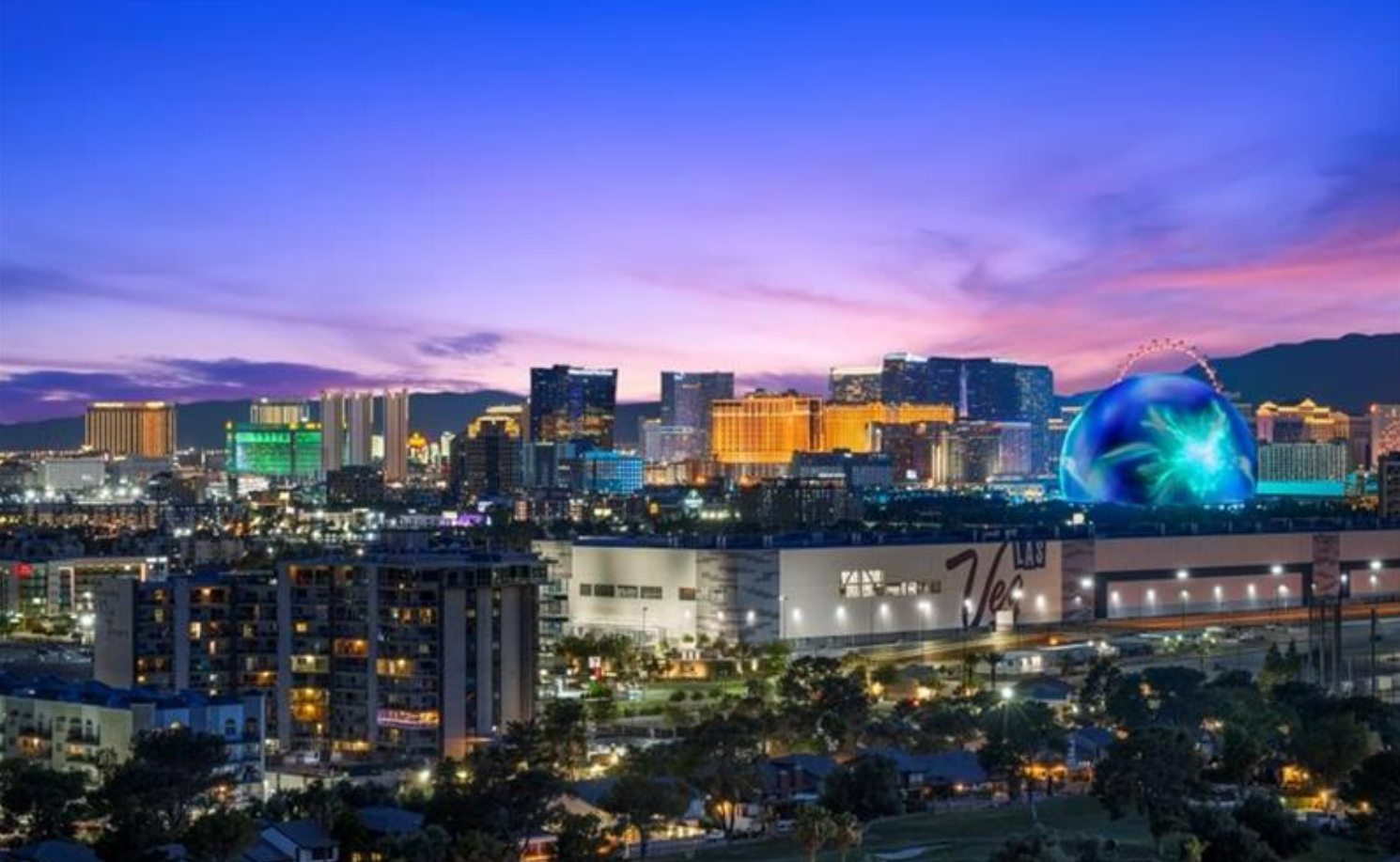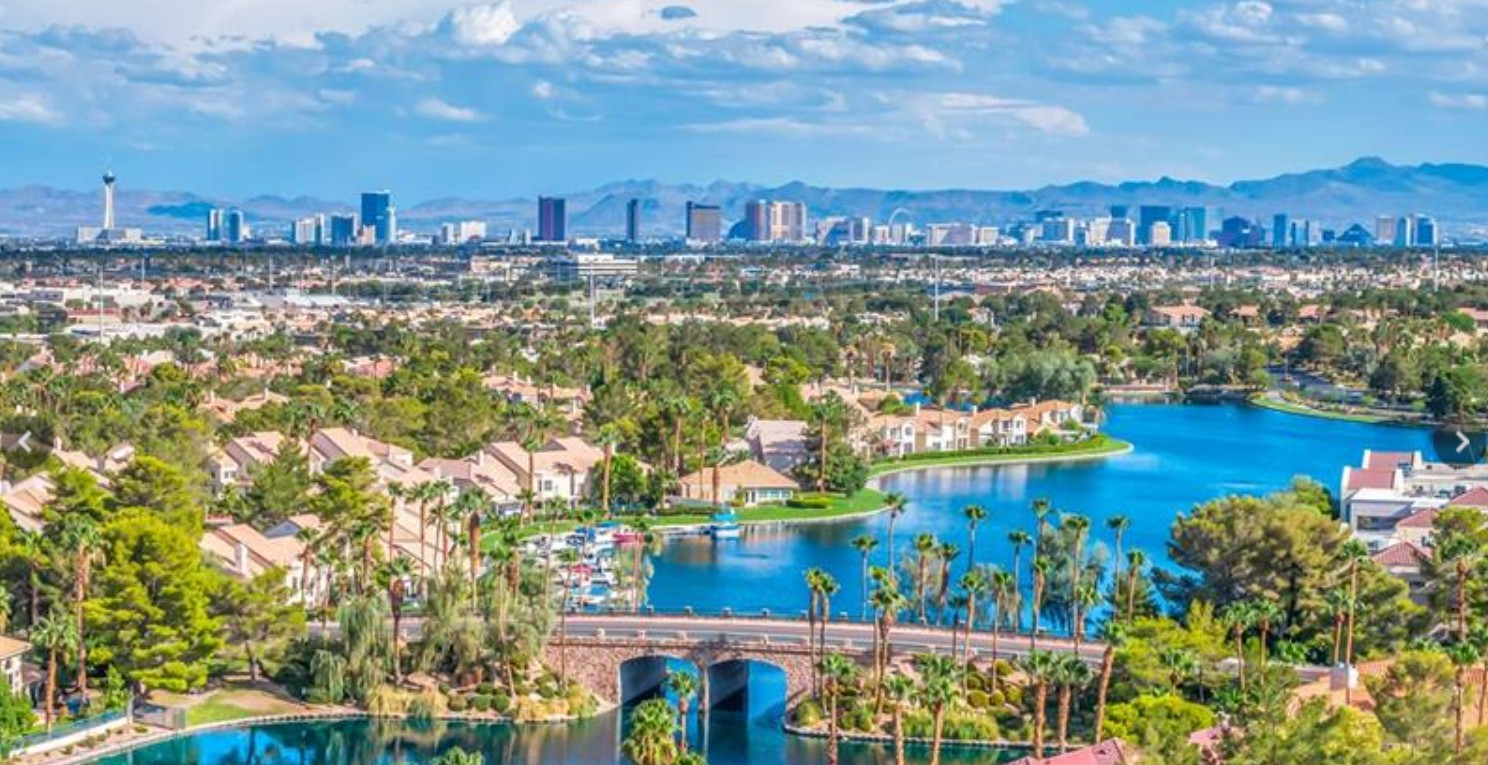
Las Vegas Real Estate - Everything you must know!

You’ll find our blog to be a wealth of information, covering everything from local market statistics and home values to community happenings. That’s because we care about the community and want to help you find your place in it. Please reach out if you have any questions at all. We’d love to talk with you!

April 1, 2026

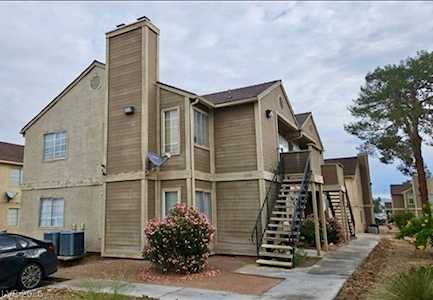
Top Cash-Flowing ZIP Codes in Las Vegas for Investors

Las Vegas continues to rank as one of the strongest rental markets in the Western U.S., thanks to population growth, a diversifying economy, strong tourism, business relocation, and a steady influx of new residents from California, Arizona, Texas, and the Pacific Northwest. While appreciation plays a key role in long-term wealth building, smart investors know cash flow is king—and not every neighborhood produces the same returns.

If you’re considering investing in Las Vegas real estate, understanding which ZIP codes historically offer the best rent-to-price ratio, low vacancy, landlord-friendly regulations, and strong demand will drastically improve your ROI.

Below is a comprehensive breakdown of the top-performing rental ZIP codes in Las Vegas and the surrounding areas—based on rental demand, pricing trends, neighborhood characteristics, and investor performance patterns—so you can make an informed decision before buying.


Why Las Vegas Is a Cash-Flow Magnet for Investors

Before we dig into specific ZIP codes, here’s why the Vegas area stands out:

1. Strong Rent Demand

With over 6,000+ new residents moving in monthly and a steady flow of service, hospitality, sports, and tech workers, rentals are in constant demand.

2. No State Income Tax

Nevada’s tax structure immediately boosts investor returns.

3. Growing Job Market

Tech, healthcare, hospitality, logistics, and sports continue to expand—keeping occupancy strong.

4. High Rental Premiums vs. Purchase Price

Compared to Phoenix, Denver, and Southern California, Las Vegas homes remain relatively affordable while rents stay competitive.

5. Landlord-Friendly Rules

Nevada remains one of the most favorable states for property owners.


Top Cash-Flowing ZIP Codes in Las Vegas for Investors

Below are the ZIP codes consistently showing strong rent-to-price ratios, low vacancy, and stable long-term tenant demand.


1. 89115 — Sunrise Manor / Nellis Corridor

Why It Cash Flows

This ZIP code typically offers the strongest rent-to-price ratios in the valley, with homes priced lower than the city average but rental demand driven by military personnel from Nellis AFB, aviation jobs, warehouse/logistics workers, and long-term local residents.

Investor Highlights

  • High rental demand year-round
  • Strong cash-on-cash returns
  • Historically low vacancy rates
  • Affordable entry prices

Ideal Investment Types

  • Single-family rentals
  • Small multifamily
  • Turnkey rentals

2. 89110 — East Las Vegas

Why It Cash Flows

89110 continues to be an investor favorite due to its combination of affordability and strong tenant demand. Many properties rent quickly, and investors see stable returns with minimal downtime.

Investor Highlights

  • Excellent ROI potential
  • Consistent tenant pool
  • Strong appreciation potential in recent years

Ideal Investment Types

  • Buy-and-hold single-family homes
  • Value-add properties
  • Starter multifamily units

3. 89030 — North Las Vegas (Downtown North)

Why It Cash Flows

One of the best-performing ZIP codes for long-term cash flow, especially for multifamily and small-unit properties. The rental market moves fast, and inventory remains limited.

Investor Highlights

  • High demand from local workforce
  • Strong cash flow on multifamily units
  • Lower acquisition costs than surrounding areas

Ideal Investment Types

  • Duplexes
  • Triplexes
  • Fourplexes

4. 89103 — Close to The Strip / Chinatown Corridor

Why It Cash Flows

89103 offers a unique combination of short-term, mid-term, and long-term rental potential, thanks to its proximity to The Strip, Allegiant Stadium, and major employment hubs.

Investor Highlights

  • Excellent for furnished rentals
  • High mid-term rental demand from traveling nurses & contractors
  • Strong long-term leasing activity

Ideal Investment Types

  • Condos
  • Townhomes
  • Mid-term rentals

5. 89108 — Northwest Las Vegas

Why It Cash Flows

A stable suburban area with affordable home prices, 89108 provides a steady pool of renters looking for quiet neighborhoods away from the Strip.

Investor Highlights

  • Low vacancy
  • Diverse tenant base
  • Historically strong performance

Ideal Investment Types

  • Single-family homes
  • Long-term rentals

6. 89031 — North Las Vegas Suburban Zone

Why It Cash Flows

More modern construction, good schools, and strong demand from families looking for larger rental homes.

Investor Highlights

  • Higher rental rates than older ZIP codes
  • Very strong long-term stability
  • Ideal for 3–4 bedroom family rentals

Ideal Investment Types

  • Build-to-rent opportunities
  • Modern single-family rentals

7. 89121 — East Central Las Vegas

Why It Cash Flows

A solid rental hub with one of the most reliable and diversified tenant pools in the city.

Investor Highlights

  • Consistent rental demand
  • Affordable homes with good rent ratios
  • Strong long-term appreciation trends

Ideal Investment Types

  • Starter homes
  • Condos
  • Long-term rentals

Choosing the Best ZIP Code Depends on Your Investment Strategy

Different investors have different priorities. Here's a breakdown:

Best for High Cash Flow

  • 89115
  • 89030
  • 89110

Best for Long-Term Appreciation

  • 89103
  • 89031
  • 89121

Best for Mid-Term / Furnished Rentals

  • 89103
  • 89148
  • 89113

Best for Low-Vacancy, Family-Oriented Tenants

  • 89031
  • 89108

Tips to Maximize Cash Flow in Las Vegas

1. Target Low-HOA or No-HOA Properties

HOA fees reduce cash flow unless offset by higher rents.

2. Consider Mid-Term Rentals (30–120 days)

Traveling nurses, convention workers, and corporate clients pay premium rents.

3. Avoid Overpaying in New Subdivisions

New construction often provides lower cash flow due to higher pricing.

4. Always Perform Rent Comparables Before Buying

Rent values vary even street-to-street.

5. Work With a Las Vegas Agent Specializing in Investors

Local experience determines long-term success.


Final Thoughts: Las Vegas Remains a Top Cash-Flow Market—If You Buy in the Right ZIP Codes

From value-driven areas like 89115 and 89110 to mid-term rental hotspots like 89103, Las Vegas remains one of the strongest investor-friendly markets in the West. Choosing the right ZIP code can significantly increase your cash flow, protect your investment, and maximize long-term returns.

If you're considering buying an investment property in Las Vegas, expert guidance makes all the difference.


Call to Action

Ready to Buy a Cash-Flowing Rental Property in Las Vegas?

Contact James Meadows at Vegas Real Estate Advisors today for tailored investment strategies, access to off-market deals, and expert portfolio analysis.

📞 Call us at: 725-328-1417
🌐 VegasRealEstateAdvisors.com


Top of Form


Bottom of Form


March 30, 2026

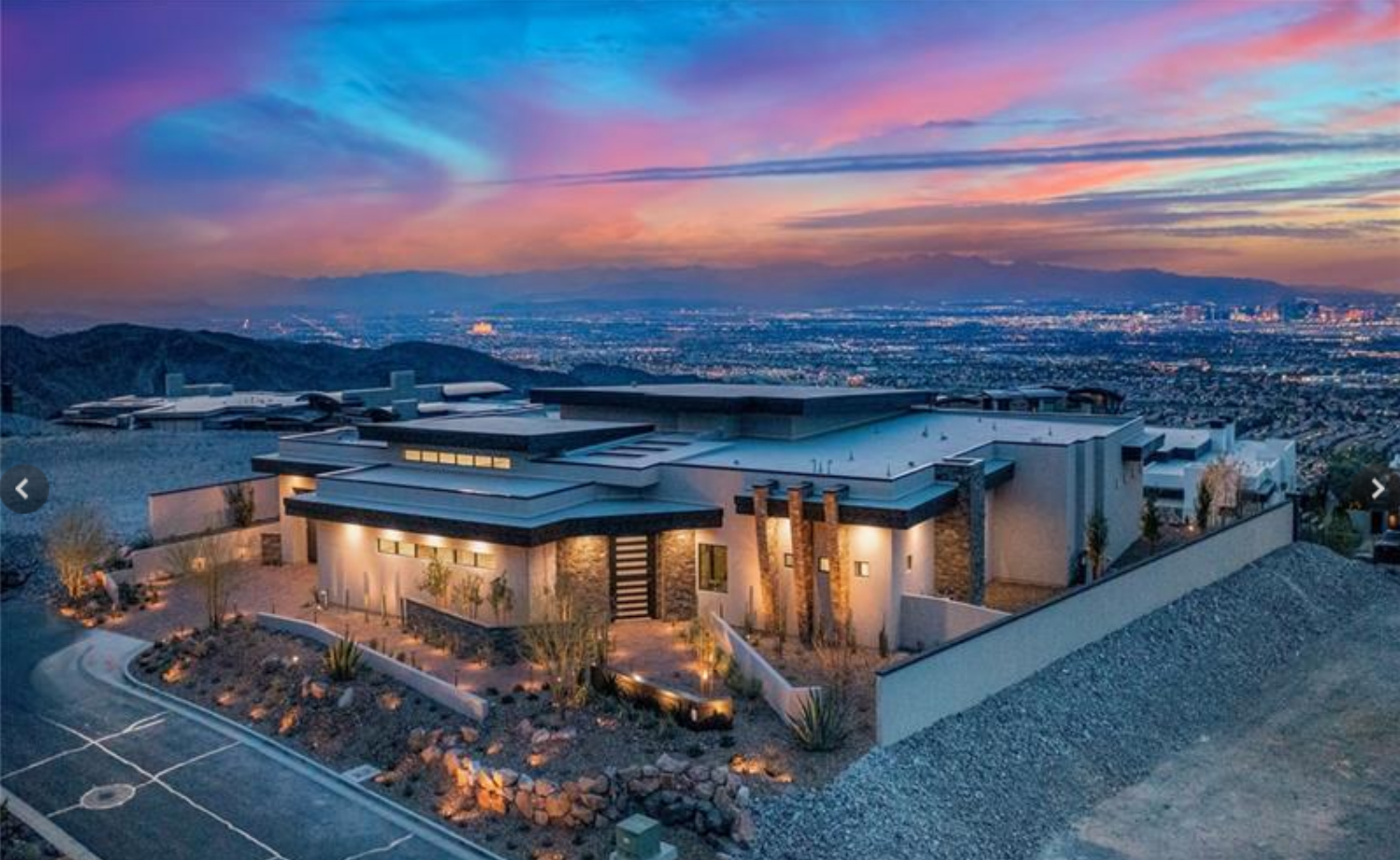
Why Luxury Homes in Summerlin and Henderson Need a Different Selling Strategy

Selling a luxury home in Summerlin or Henderson isn’t the same as selling a standard Las Vegas property. The high-end market operates on different expectations, different buyer behavior, and a completely different approach to marketing and negotiation.

Luxury buyers are more selective, take longer to make decisions, and expect a premium experience at every stage of the process. They’re not just buying square footage—they're buying lifestyle, exclusivity, privacy, architecture, and prestige.

If you want to sell your luxury home quickly and for the highest possible value, you need a strategy specifically designed for the high-end market. Here’s what makes luxury real estate in Summerlin and Henderson unique—and why hiring an agent who specializes in this space is essential.


1. Luxury Buyers Are Looking for More Than the Home Itself

In the luxury market, buyers don’t purchase out of necessity—they buy by choice. That means they evaluate homes based on deeper criteria, including:

  • Architectural style
  • Design cohesion
  • Privacy and lot position
  • Views (city, golf course, Strip, mountain)
  • Community amenities
  • Proximity to private schools, golf clubs, and lifestyle hubs
  • Smart-home features
  • Energy efficiency and eco-friendly upgrades

Luxury buyers in Summerlin and Henderson often come from California, Texas, New York, and international markets. They are used to high-end finishes and expect the same—or better—in Las Vegas.


2. Not Every Agent Understands High-End Pricing Strategy

Pricing a luxury home is an art and a science. Overpricing can cause the property to sit on the market, while underpricing leaves money on the table. High-end properties require:

  • A deep understanding of local luxury comps
  • Knowledge of custom-home valuation
  • Analysis of lot premiums, views, and architectural features
  • Insight into buyer psychology
  • Evaluation of luxury absorption rate and market velocity

In communities like The Ridges, MacDonald Highlands, Ascaya, Anthem Country Club, or Red Rock Country Club, two homes with the same square footage can vary in value by hundreds of thousands—sometimes millions—based on upgrades, views, or community position.

This level of pricing accuracy requires a specialist, not guesswork.


3. Luxury Homes Require High-End Presentation

In the luxury market, first impressions are everything. Homes priced over $1M in Summerlin and Henderson must deliver an elevated visual and emotional experience.

Effective luxury presentation includes:

  • Professional staging or design enhancements
  • Luxury-grade photography
  • Day and night photography
  • Architectural videography
  • Drone footage capturing views and community amenities
  • Virtual tours and 3D walkthroughs
  • Twilight shoots to highlight elevation, pools, and lighting

A luxury home that isn’t presented like a luxury home will struggle to command a luxury price.


4. Luxury Marketing Requires Targeted Exposure—not Mass Advertising

Luxury buyers aren’t browsing Craigslist or scrolling endless listing portals. Premium marketing must reach upscale, qualified audiences.

Strategic marketing for luxury homes includes:

  • Placement on curated luxury platforms
  • Direct outreach to luxury buyer networks
  • International exposure for out-of-country buyers
  • Social media campaigns targeted to high-income demographics
  • Private networking with agents specializing in luxury clientele
  • Featured campaigns in affluent zip codes
  • High-end digital brochures

This kind of exposure ensures your property reaches not just more people—but the right people.


5. Privacy and Discretion Are Extremely Important

High-net-worth sellers and buyers both value privacy. Luxury homes in Summerlin and Henderson often involve:

  • Private showings only
  • Pre-screened, financially verified buyers
  • Limited open houses
  • Controlled access and secure appointments
  • Confidential negotiations

Luxury agents understand how to balance exposure with discretion—ensuring your home is marketed effectively without compromising security or privacy.


6. Luxury Homes Sell Based on LIFESTYLE, Not Just Features

In the luxury segment, buyers want to envision the life they will experience—not just the house they will own.

In Summerlin, that lifestyle may include:

  • Access to Red Rock Canyon
  • Walkable urban centers like Downtown Summerlin
  • World-class golf courses
  • Resort-style community pools
  • Exclusive fitness clubs

In Henderson, the lifestyle may include:

  • Panoramic Strip or mountain views
  • Access to Lake Las Vegas and SouthShore
  • Guard-gated privacy
  • Luxury golf and country clubs
  • Proximity to top private schools and upscale dining

Marketing must communicate this lifestyle, not just the specs of the property.


7. Luxury Homes Require Skilled Negotiation

Negotiating a luxury sale isn’t like a standard transaction. High-end homes come with unique challenges, such as:

  • Cash vs corporate buyer dynamics
  • Seller expectations based on custom construction costs
  • Appraisal considerations on homes with few comparable sales
  • Complex contingencies
  • Extended due-diligence periods
  • Luxury repair requests and credits

A seasoned luxury agent can navigate this with skill, ensuring the deal stays together and maximizing seller profit.


8. Summerlin and Henderson Attract a Different Type of Buyer

Luxury buyers in these areas tend to be:

  • Wealthy professionals relocating from high-cost states
  • Remote executives seeking tax benefits
  • International buyers
  • Retirees seeking luxury downsizing
  • High-income families prioritizing schools and safety
  • Investors looking for long-term value

This audience has higher expectations and is willing to pay top dollar—but only when the home is marketed and positioned correctly.


9. Community Prestige Impacts Value—and Must Be Marketed Clearly

Luxury communities in Summerlin and Henderson are brands in themselves. Selling a home here requires highlighting the prestige and amenities of the neighborhood, such as:

Summerlin

  • The Ridges
  • Red Rock Country Club
  • Summerlin West luxury enclaves
  • Tournament Hills
  • The Paseos / The Vistas

Henderson

  • MacDonald Highlands
  • Ascaya
  • Anthem Country Club
  • Seven Hills
  • Roma Hills

Each community offers a different appeal—elevated views, architectural integrity, country club amenities, or privacy. A luxury marketing strategy must communicate those advantages directly to qualified buyers.


10. Luxury Real Estate Requires Local Expertise AND National Reach

Many high-end buyers in Summerlin and Henderson are relocating from out of state. Your luxury home needs to be marketed:

  • Locally
  • Regionally
  • Nationally
  • Internationally

A luxury-focused agent ensures your property appears everywhere affluent buyers search—not just on standard MLS feeds.


Final Takeaway: Selling Luxury Requires a Luxury Strategy

Selling a $2M–$10M+ home in Summerlin or Henderson requires a sophisticated approach, including:

  • Precise pricing
  • High-end presentation
  • Strategic marketing
  • Strong negotiation
  • Access to luxury networks
  • Deep local expertise

This is why luxury homes cannot be marketed the same way as traditional Las Vegas properties.

If you want top dollar, fast results, and a seamless selling experience, you need a specialist who understands the lifestyle and buyer expectations unique to these communities.


Ready to Sell Your Luxury Home in Summerlin or Henderson?

Get a customized, high-end marketing plan designed to position your home for maximum exposure and maximum profit.

Contact Vegas Real Estate Advisors
📞 725-328-1417
🌐 VegasRealEstateAdvisors.com
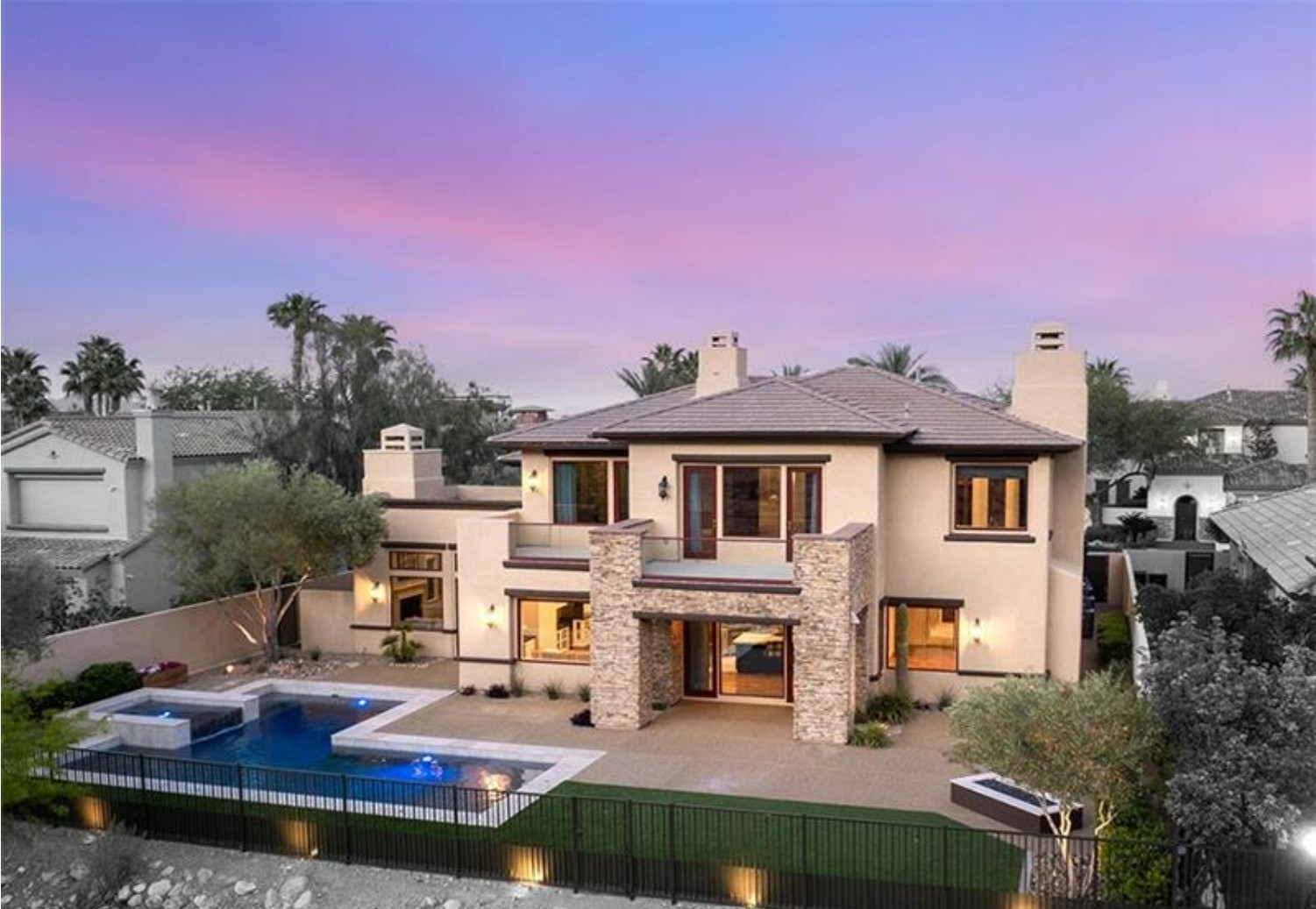
Your luxury home deserves a luxury selling strategy.


Top of Form

Bottom of Form


March 28, 2026

New Construction Master Plans Coming to the Las Vegas Valley in 2026+

The Las Vegas Valley continues to rank as one of the fastest-growing real estate markets in the United States, and 2026+ is shaping up to be a major turning point for new construction and master-planned communities. With population growth, job expansion, and large-scale development projects underway, buyers and investors have a unique opportunity to get in early on the next wave of high-demand neighborhoods.

In this guide, we’ll break down the most important upcoming master-planned communities, where growth is happening, and how to position yourself to take advantage of appreciation and lifestyle opportunities.


Why 2026+ Is a Critical Window for Las Vegas New Construction

Las Vegas is evolving beyond tourism into a diversified economy driven by:

  • Technology and logistics expansion
  • Continued population migration from California and other states
  • Major infrastructure improvements
  • Ongoing entertainment and sports development

New construction communities are being designed with modern buyers in mind—featuring energy-efficient homes, smart technology, walkable amenities, and integrated lifestyle planning.

For buyers, this means better long-term value, stronger appreciation potential, and access to communities built for the future.


Major Master-Planned Communities Coming to the Valley

Skye Summit – Northwest Las Vegas

One of the most exciting new developments is Skye Summit, a large-scale master-planned community in the northwest valley near Centennial Hills.

  • Approximately 505 acres
  • Planned for around 3,500 homes
  • Expected to break ground in early 2026
  • Full buildout projected into the mid-2030s
  • Builders include national names like Pulte, KB Home, and Taylor Morrison

Why it matters:
This area is already seeing rapid growth, and Skye Summit will significantly expand housing inventory while driving new retail, schools, and infrastructure nearby.


Summerlin West Expansion

Summerlin continues to dominate as one of the most desirable master-planned communities in the country—and it’s not slowing down.

  • Multiple new neighborhoods opened in 2025 and continuing into 2026
  • New districts like Kestrel and Kestrel Commons expanding housing options
  • Dozens of new home floorplans from top builders

What’s coming next:
Summerlin West is pushing further into the valley with new residential villages, urban-style living areas, and continued development of retail and entertainment hubs.

Why it matters:
Summerlin has a proven track record of appreciation, making new phases especially attractive for both homeowners and investors.


Henderson & Cadence Expansion

Henderson remains one of the fastest-growing areas in Southern Nevada, with continued expansion in master-planned living.

Cadence Master Plan:

  • One of the top-selling master-planned communities nationally
  • Features parks, trails, and a 50-acre central park
  • Continued new home phases releasing into 2026+

West Henderson Growth:

  • Rapid residential and commercial development
  • New infrastructure supporting long-term expansion
  • Strong demand from families and professionals

Why it matters:
Henderson offers a balance of affordability, quality of life, and appreciation potential—making it a top target for new construction buyers.


North Las Vegas & Tule Springs Growth Corridor

North Las Vegas is emerging as one of the most active new construction zones in the valley.

  • Expanding communities near the 215 Beltway
  • More affordable entry points compared to Summerlin
  • Increasing builder activity and land acquisitions

This corridor is attracting:

  • First-time homebuyers
  • Investors seeking rental properties
  • Buyers priced out of higher-end markets

Why it matters:
As infrastructure improves, North Las Vegas is expected to see significant appreciation over the next decade.


Inspirada & Southwest Valley Developments

The southwest valley and Inspirada area continue to expand with new phases and nearby development.

  • Strong community planning with parks and amenities
  • High owner-occupancy rates
  • Continued residential and commercial growth

Additionally, new communities are being introduced across the southwest valley with modern designs and flexible floorplans.


Key Trends Shaping New Construction in 2026+

1. Smart & Energy-Efficient Homes

New homes are increasingly built with:

  • Solar-ready systems
  • Energy-efficient appliances
  • Smart home automation

These features reduce long-term costs and increase resale value.


2. Lifestyle-Focused Master Plans

Today’s communities are designed as complete ecosystems, offering:

  • Parks and walking trails
  • Community centers and pools
  • Retail, dining, and schools within close proximity

Master-planned communities are no longer just neighborhoods—they are lifestyle hubs.


3. Builder Incentives & Financing Opportunities

With shifting market conditions, many builders are offering:

  • Interest rate buy-downs
  • Closing cost incentives
  • Design upgrades

Timing your purchase during early phases can maximize both incentives and appreciation.


4. Long-Term Appreciation Potential

New construction in expanding areas typically benefits from:

  • Rising demand as communities mature
  • New retail and infrastructure
  • Increased desirability over time

Buying early in a master plan often provides the strongest equity growth.


What Buyers Should Watch Closely

Before purchasing in a new master-planned community, evaluate:

  • Builder reputation and build quality
  • HOA fees and long-term costs
  • Future phases and density of development
  • Nearby commercial and infrastructure plans
  • Resale and rental potential

Each community has its own growth trajectory—understanding the details is key.


Final Thoughts

The Las Vegas Valley is entering a new era of growth, and the master-planned communities launching in 2026+ will shape the next decade of real estate.

From large-scale developments like Skye Summit to continued expansion in Summerlin and Henderson, opportunities exist for buyers at every price point. Whether you're looking for a primary residence, a second home, or an investment property, getting in early on new construction can provide significant long-term advantages.


Work with a New Construction Specialist

If you're considering buying in one of the new master-planned communities, working with a specialist can give you a major advantage—especially when it comes to builder negotiations, lot selection, and maximizing incentives.

Denise Cesena specializes in new construction and helps buyers navigate the process from start to finish.

Contact Denise Cesena:

Denise can help you identify the best communities, secure builder incentives, and position your purchase for long-term appreciation in the fast-growing Las Vegas market.


March 23, 2026

Exploring Lake Las Vegas: Lifestyle, Homes, and Amenities

Nestled just minutes from the energy of the Las Vegas Strip, Lake Las Vegas offers a completely different pace of life—one centered around waterfront views, resort-style amenities, and a strong sense of community. For homebuyers and investors seeking a unique blend of luxury, tranquility, and lifestyle-driven living, Lake Las Vegas stands out as one of the most distinctive real estate opportunities in Southern Nevada.


🎥 Lake Las Vegas Luxury Home Tour


Get an inside look at a stunning Lake Las Vegas luxury new construction home, guided by a Vegas Real Estate Advisor and Lake Las Vegas luxury specialist – Denise Cesena. This tour highlights the design, finishes, and lifestyle features that make this community so desirable.

Watch here: https://www.youtube.com/watch?v=XCbjkG0wv80&t=12s


What Is Lake Las Vegas?

Lake Las Vegas is a 320-acre private lake community located in Henderson, Nevada, about 25 minutes from the Las Vegas Strip and Harry Reid International Airport. Designed as a master-planned resort-style community, it combines residential neighborhoods, golf courses, waterfront recreation, and a European-inspired village atmosphere.

This area has experienced a major resurgence in recent years, with new construction, renovated amenities, and increasing demand driving renewed interest among buyers.


The Lake Las Vegas Lifestyle

Resort-Style Living Every Day

Living in Lake Las Vegas feels like being on vacation year-round. Residents enjoy:

  • Scenic lake views and mountain backdrops
  • Walking and biking trails throughout the community
  • Access to water activities like kayaking, paddleboarding, and electric boating
  • A quieter, more relaxed environment compared to central Las Vegas

This lifestyle is ideal for retirees, second-home buyers, and professionals seeking a peaceful escape without sacrificing convenience.


The Village at Lake Las Vegas

At the heart of the community is a charming waterfront village that serves as a social and entertainment hub.

Here you’ll find:

  • Restaurants and casual dining options
  • Boutique shopping
  • Live music and seasonal events
  • Outdoor patios overlooking the lake

The village creates a walkable, community-focused environment that enhances both lifestyle and property value.


Outdoor Recreation and Wellness

Lake Las Vegas is built around outdoor living. Popular activities include:

  • Golf at championship courses
  • Yoga and fitness classes
  • Hiking and nature exploration
  • Water sports and lakefront relaxation

The combination of desert beauty and waterfront access makes it one of the most unique environments in the Las Vegas Valley.


Homes in Lake Las Vegas

Lake Las Vegas offers a diverse range of housing options to fit different budgets and lifestyles.

Luxury Waterfront Estates

These high-end homes feature:

  • Direct lake access or panoramic water views
  • Custom architecture and high-end finishes
  • Private pools, outdoor kitchens, and expansive patios

Luxury properties here are highly sought after and often command premium prices due to their rarity.


Gated Communities and Single-Family Homes

Many buyers are drawn to gated neighborhoods offering:

  • Enhanced privacy and security
  • Modern floorplans with open-concept designs
  • Access to community parks and amenities

These homes are popular among families and full-time residents.


Condos, Townhomes, and Lock-and-Leave Living

For those seeking low-maintenance options, Lake Las Vegas also offers:

  • Condominiums with lake or golf course views
  • Townhomes with modern finishes
  • Ideal properties for second homes or seasonal living

These options provide flexibility and convenience, especially for part-time residents.


New Construction Opportunities

Recent development has brought new energy to Lake Las Vegas, with builders introducing:

  • Energy-efficient homes
  • Smart home technology
  • Contemporary architectural styles

Buying new construction allows buyers to customize finishes and benefit from modern design trends.


Amenities That Set Lake Las Vegas Apart

Championship Golf Courses

Lake Las Vegas is home to two premier golf courses:

  • Reflection Bay Golf Club
  • SouthShore Country Club

These courses offer stunning views, challenging play, and exclusive membership opportunities.


Lake Access and Water Activities

The private lake is the centerpiece of the community and offers:

  • Kayaking and paddleboarding
  • Electric boat rentals
  • Waterfront dining experiences
  • Private docks in select neighborhoods

Unlike most desert communities, Lake Las Vegas provides true waterfront living.


Dining and Entertainment

Residents enjoy a growing selection of dining options ranging from casual eateries to upscale restaurants. Regular events and live entertainment create a vibrant social atmosphere.


Fitness and Wellness Facilities

Many neighborhoods and clubs offer:

  • Fitness centers
  • Pools and spas
  • Tennis and pickleball courts

These amenities support an active and healthy lifestyle.


Investment Potential and Appreciation

Lake Las Vegas has become increasingly attractive to real estate investors due to several key factors:

Rising Demand

  • Increased interest from out-of-state buyers
  • Appeal as a second-home destination
  • Limited supply of waterfront properties

Ongoing Development

  • New residential phases
  • Expanded retail and dining options
  • Continued investment in infrastructure and amenities

Strong Appreciation Potential

As the community continues to grow and mature, property values have shown upward momentum, particularly in newer and renovated areas.


Who Should Consider Buying in Lake Las Vegas?

Lake Las Vegas is ideal for:

  • Buyers seeking a resort-style lifestyle
  • Retirees looking for a peaceful, scenic environment
  • Investors targeting vacation or second-home properties
  • Professionals wanting proximity to Las Vegas with a quieter home base

Key Considerations Before Buying

Before purchasing in Lake Las Vegas, it’s important to evaluate:

  • HOA fees and community rules
  • Distance from major employment centers
  • Rental restrictions (short-term vs. long-term)
  • Property type and long-term maintenance costs

Working with a local expert can help you navigate these factors effectively.


Final Thoughts

Lake Las Vegas offers a rare combination of waterfront living, luxury amenities, and strong investment potential—all within close proximity to one of the most dynamic cities in the world.

Whether you're looking for a primary residence, a vacation home, or an investment property, this community delivers lifestyle and value in a way few others can match in the Las Vegas Valley.


Call to Action

Ready to explore homes in Lake Las Vegas or find the perfect property that fits your lifestyle and investment goals?

Contact VegasRealEstateAdvisors.com today or call 725-328-1417 to schedule your personalized consultation.
Our experienced team will help you navigate the Lake Las Vegas market, identify the best opportunities, and secure the right property with confidence.


March 23, 2026

How to Evaluate Fix-and-Flip Opportunities in Older Las Vegas Neighborhoods

Fix-and-flip investing remains one of the most profitable real estate strategies in Las Vegas—when it’s done right. Older neighborhoods across the valley offer strong upside potential, but they also come with risks that can quickly erase profit if not properly evaluated. Understanding the local housing stock, renovation costs, buyer demand, and market timing is essential before committing capital.

This guide breaks down how to analyze fix-and-flip opportunities in older Las Vegas neighborhoods, what to watch for, and how to protect your margins.


Why Older Las Vegas Neighborhoods Attract Investors

Las Vegas has large pockets of housing built between the 1950s and 1980s. These areas often feature:

  • Larger lot sizes
  • Single-story floor plans
  • Solid construction
  • Central locations near Downtown, the Strip, and major freeways

As buyers increasingly seek character, proximity, and affordability, renovated homes in these neighborhoods continue to command strong resale demand.


Step 1: Identify the Right Neighborhoods

Not all older neighborhoods flip the same. The best fix-and-flip areas typically show:

  • Rising resale prices over the last 12–24 months
  • Strong owner-occupant presence
  • Consistent buyer demand under the median price range
  • Nearby redevelopment or infrastructure investment

Neighborhoods near Downtown Las Vegas, the Arts District, and established central corridors often present opportunity—but only when analyzed block by block.


Step 2: Analyze the Property, Not Just the Price

A low purchase price does not equal a good deal. Evaluate the property’s fundamentals:

Structure and Layout

  • Foundation condition
  • Roof age and integrity
  • Ceiling heights and floor plan usability
  • Load-bearing walls affecting remodel scope

Major Systems

  • Electrical panels and wiring
  • Plumbing type and condition
  • HVAC age and efficiency

Older homes often require full system updates, which must be priced accurately.


Step 3: Renovation Scope and Budget Accuracy

Underestimating renovation costs is the fastest way to lose money.

Common renovation costs in older Vegas homes include:

  • Full electrical upgrades
  • Sewer line replacement
  • Roof replacement
  • Window and insulation updates
  • Layout reconfiguration

Always build in a contingency buffer. Cosmetic-only flips are rare in older housing stock.


Step 4: Understand Buyer Expectations

Today’s buyers expect modern finishes—even in older neighborhoods.

Key resale drivers include:

  • Open-concept layouts
  • Updated kitchens and baths
  • Energy-efficient windows and HVAC
  • Neutral, modern design
  • Curb appeal

Over-improving beyond neighborhood norms reduces ROI. The goal is to meet market expectations—not exceed them.


Step 5: Accurately Calculate ARV (After Repair Value)

ARV must be based on:

  • Recent sold comparables—not listings
  • Similar lot size and layout
  • Same neighborhood or immediate area
  • Renovation quality parity

Overestimating ARV is one of the most common investor mistakes in Las Vegas.


Step 6: Know the Numbers That Matter

Successful flips rely on strict financial discipline.

Key metrics include:

  • Purchase price
  • Renovation cost
  • Holding costs (taxes, insurance, utilities)
  • Financing costs
  • Selling costs and commissions

Margins should allow room for market shifts.


Step 7: Permits, Zoning, and Code Compliance

Older homes often require:

  • Permits for major renovations
  • Compliance with current building codes
  • Correct zoning use

Skipping permits can delay resale or derail closings entirely.


Step 8: Timing the Market and Exit Strategy

Vegas is a cyclical market. Investors must consider:

  • Seasonal demand
  • Inventory levels
  • Interest rate environment

Having a backup plan—such as renting instead of selling—protects downside risk.


Common Fix-and-Flip Mistakes in Las Vegas

  • Ignoring sewer or foundation issues
  • Overpaying due to emotional bidding
  • Over-improving the property
  • Misjudging buyer demand
  • Underestimating timeline delays

Local expertise helps avoid these pitfalls.


Why Local Representation Matters for Investors

A knowledgeable Las Vegas real estate advisor can:

  • Identify off-market opportunities
  • Provide accurate ARV analysis
  • Connect you with trusted contractors
  • Advise on neighborhood-specific resale trends
  • Protect your margins from acquisition to exit

Ready to Find Profitable Fix-and-Flip Deals?

If you’re serious about investing in older Las Vegas neighborhoods, expert guidance makes the difference between profit and frustration.

Contact Vegas Real Estate Advisors today for data-driven insight, local market expertise, and investor-focused strategy.
📞 Call us at 725-328-1417
🌐 Visit VegasRealEstateAdvisors.com

We help investors evaluate smarter, move faster, and protect returns.


March 20, 2026

The Most Walkable Neighborhoods for People Who Hate Traffic in Las Vegas

Living in Las Vegas offers many lifestyle options, from fast-paced urban environments to quiet suburban retreats. However, one common frustration among residents is traffic. Long commutes, congestion during peak hours, and limited parking can make daily life stressful. For homebuyers and renters who value walkability and convenience, choosing a neighborhood where you can walk to shops, restaurants, schools, parks, and entertainment is increasingly important.

In this guide, we’ll explore the most walkable neighborhoods in Las Vegas, highlight their amenities, and explain why they’re ideal for people who want to avoid traffic. Whether you’re a first-time buyer, relocating professional, or someone looking to downsize, these communities offer accessibility, lifestyle perks, and real estate investment potential.


Why Walkable Neighborhoods Are Valuable in Las Vegas

Walkable neighborhoods offer a wide array of benefits:

  • Reduced commute times – avoid long drives and traffic congestion
  • Lower transportation costs – less fuel, fewer vehicle maintenance costs
  • Better health – walking improves fitness and reduces stress
  • Higher property values – walkable communities are increasingly desirable
  • Vibrant lifestyle – easy access to dining, entertainment, and social activities

In Las Vegas, walkability isn’t just about sidewalks. It’s also about proximity to retail, entertainment hubs, office centers, and recreational spaces.


Top Walkable Neighborhoods in Las Vegas

1. Downtown Las Vegas / Fremont East District

Downtown Las Vegas has experienced a renaissance over the past decade. Once primarily known for the Strip, the Fremont East District now offers:

  • High-rise condos and historic lofts
  • Restaurants, bars, and entertainment venues within walking distance
  • Public transit options
  • Frequent events like First Friday Art Walk

For residents who enjoy a vibrant urban lifestyle, Downtown Vegas is perfect. Many properties here provide easy access to work, shopping, and nightlife without relying on a car.


2. Summerlin – Downtown Summerlin and Tivoli Village

Summerlin is a master-planned community known for its modern infrastructure and pedestrian-friendly areas.

  • Downtown Summerlin features:
    • High-end shopping and dining
    • Offices and commercial spaces
    • Parks, trails, and public gathering areas
  • Tivoli Village offers:
    • Boutique shops
    • Cafes and restaurants
    • Walkable streets and event spaces

These areas combine suburban comfort with urban convenience, making them ideal for professionals and families who want to minimize daily driving.


3. Henderson – Green Valley and Water Street District

Henderson consistently ranks as one of the best cities to live in Nevada. Green Valley and the newer Water Street District offer:

  • Mixed-use developments with retail, restaurants, and offices
  • Walkable residential streets
  • Parks, playgrounds, and community centers within walking distance
  • Access to bike lanes and public transit

This combination of safety, walkability, and lifestyle amenities makes Henderson ideal for residents who want easy access without traffic headaches.


4. The Arts District / 18b

The Las Vegas Arts District, also known as 18b, is an eclectic and vibrant community perfect for those seeking culture, walkability, and urban charm.

  • Galleries, vintage shops, and coffee houses
  • Monthly art events and cultural festivals
  • Walkable streets with easy access to Downtown
  • Mix of lofts, townhomes, and historic single-family homes

For buyers who value creativity and being close to entertainment, the Arts District offers a one-of-a-kind experience.


5. Paradise and Spring Valley – Urban Convenience

These neighborhoods are popular among professionals due to their proximity to:

  • The Las Vegas Strip
  • McCarran International Airport
  • Restaurants, grocery stores, and offices

While primarily suburban, certain pockets offer walkable town centers, trails, and mixed-use developments. Residents can access daily essentials without long drives.


Features That Make a Neighborhood Walkable

When evaluating walkability, look for:

  • Sidewalks and pedestrian paths – continuous, safe, and accessible
  • Local amenities within a 10-15 minute walk – grocery stores, cafes, gyms, parks
  • Public transportation options – bus stops, ride-share accessibility, proximity to transit hubs
  • Mixed-use development – neighborhoods with a blend of residential, retail, and office space
  • Safety and lighting – pedestrian-friendly streets at all hours

A truly walkable neighborhood balances convenience, safety, and lifestyle amenities.


Tips for Buyers Who Want Walkable Living

  1. Use Walk Score – check neighborhood walkability online
  2. Visit during peak and off-peak hours – see traffic patterns, noise, and accessibility
  3. Consider mixed-use communities – they often have the best walkable layouts
  4. Check amenities within walking distance – grocery stores, cafes, gyms, parks, medical facilities
  5. Assess your lifestyle needs – consider if walkability aligns with your daily routine

Walkable neighborhoods can reduce stress, save time, and enhance your quality of life.


Why Choosing the Right Real Estate Advisor Matters

Finding the perfect walkable neighborhood in Las Vegas requires:

  • Hyper-local knowledge
  • Access to off-market and newly developed properties
  • Expertise in community amenities, HOA rules, and pricing trends
  • Strategic guidance for both buyers and investors

Vegas Real Estate Advisors specializes in helping clients locate properties that match their lifestyle goals, whether walkability, investment potential, or luxury amenities.


Call to Action

If you want to live in a Las Vegas neighborhood that reduces traffic stress and maximizes lifestyle convenience, work with experts who know the market inside-out.

📞 Call Vegas Real Estate Advisors at 725-328-1417
🌐 Visit VegasRealEstateAdvisors.com
Your ideal walkable home is waiting—let us guide you there.


March 12, 2026

When Is the Best Time of Year to Sell in Las Vegas?

A Complete Seasonal Breakdown for Maximum Profit & Faster Closings

Selling a home in Las Vegas is not just about pricing and preparation—it’s also about timing the market strategically. Southern Nevada’s real estate cycle is influenced by seasonal buyer behavior, relocation patterns, weather, and economic factors.

While homes in Las Vegas sell year-round, the time of year you list can significantly affect:

  • How fast your home sells
  • How many buyers you attract
  • Whether you receive multiple offers
  • Your final sales price

This guide breaks down the best time of year to sell a home in Las Vegas, month-by-month, using local real estate trends, seasonal behavior, buyer patterns, and hyper-local insights from agents who work in this market daily.


What Makes the Las Vegas Real Estate Market Unique?

The Las Vegas market is different from many other cities because of:

High Relocation Demand

California, Arizona, Utah, and Midwest buyers move to Las Vegas throughout the year for affordability, retirement, and tax benefits.

Snowbird Season

Winter brings buyers from colder states who shop for primary and secondary homes.

Strong Investor Activity

Las Vegas is one of the most investor-friendly markets in the country, bringing consistent demand.

Tourism and Business Travel

Buyers often extend work or vacation trips to explore real estate.

Year-Round Warm Climate

Unlike cold-weather cities, Las Vegas does not have a “dead winter” housing season.

All of this means homeowners can successfully sell any time of year, but certain seasons provide distinct advantages.


The Best Time of Year to Sell a Home in Las Vegas

1. Spring (February – May)

🏆 Best Overall Time to Sell for Highest Buyer Activity

Spring is widely considered the best season to list a home in Las Vegas.

Why Spring Performs So Well

  • Buyers come out in full force after the holidays
  • Weather is ideal for showings
  • Snowbirds are still in town
  • Families begin shopping early to move before school starts
  • Out-of-state buyers prefer visiting in spring

Seller Advantages

  • Homes show exceptionally well in mild temperatures
  • Increased foot traffic during open houses
  • Properties often receive multiple offers
  • Higher average sales prices due to competition

Spring Homes Sell:

Faster
With more offers
At stronger price points

If maximizing exposure and competition is your top priority, spring is the strongest season to sell in Las Vegas.


2. Early Summer (June – mid-July)

🏆 Best Time to Sell to Families Moving Before School Starts

Las Vegas experiences a surge of buyers in early summer—especially families who want to settle in before the new school year.

Key Benefits

  • High volume of active buyers
  • Many relocations happen during this period
  • Strong demand in Summerlin, Henderson, and Southwest areas

What Sellers Should Know

  • By late July, extreme heat slows buyer traffic slightly
  • Homes still sell well, but showings may decrease midday
  • Evening showings become more common

Early summer remains a great time to sell—especially for homes near parks, schools, and family-friendly communities.


Good but Not Ideal Selling Seasons

3. Late Summer (Late July – August)

Buyer activity remains stable, but the heat can affect showing turnout.

Seller Advantages

  • Serious buyers only (less window shopping)
  • Relocation buyers continue to move in
  • Investors purchase heavily during summer

Challenges

  • Fewer open house visitors
  • Homes may sit slightly longer due to weather

Still, the Las Vegas market stays surprisingly steady even during the hottest months.


4. Fall (September – November)

🏆 Best Time for a Balanced Market & Motivated Buyers

Fall is a solid time to sell and often overlooked.

Why Fall Works

  • Weather cools down
  • Buyers who missed summer return
  • Investors reposition portfolios at year’s end
  • Fewer sellers list, reducing competition

Homes With Strong Fall Demand

  • Single-story homes
  • Golf course properties
  • 55+ communities
  • Turnkey or newly renovated homes

Fall sellers enjoy lower competition and stable pricing.


Seasons With the Lowest Listing Competition

5. Winter (December – January)

🏆 Best Time for Sellers Who Want Less Competition

Winter is not traditionally the “best” season, but it offers unique advantages.

Why Selling in Winter Can Be Smart

  • Very low inventory
  • Serious, motivated buyers (relocations, job transfers, cash buyers)
  • Homes stand out more with fewer listings available
  • Snowbirds arrive and begin shopping

Who Winter Works Best For

  • Sellers wanting quick closings
  • Turnkey homes
  • Condos & townhomes
  • Properties under $500K

Even though buyer traffic dips slightly, winter sellers benefit from reduced competition, often leading to strong offers.


Month-by-Month Breakdown: The Las Vegas Selling Cycle

January – Strong for relocations and low competition

February – Market awakens; great time to list

March – High buyer demand

April – One of the strongest months for selling

May – Competitive offers; strong pricing

June – Family buyers dominate

July – Still strong, but heat affects showings

August – Slower foot traffic but stable demand

September – Market picks back up

October – Solid month for motivated buyers

November – Investor activity increases

December – Excellent for low competition & fast closings


The Best Time Varies by Type of Property

Different property types perform better in different seasons:

Luxury Homes ($1M+)

Best Time: Spring, Fall
Buyers want cooler weather for property tours.

Condos & Townhomes

Best Time: Year-round
Affordable price points appeal to investors and entry-level buyers.

Single-Family Homes in Summerlin or Henderson

Best Time: Early Summer & Spring
Families time purchases around school schedules.

55+ Communities

Best Time: Winter & Spring
Snowbirds drive demand from November through April.


Key Factors That Affect When You Should Sell

Regardless of season, your selling strategy should consider:

1. Inventory Levels

Lower competition often outweighs seasonal timing.

2. Interest Rates

Changes in rates directly influence buyer urgency.

3. Your Home’s Condition

Homes in top condition sell well in any season.

4. Your Personal Timeline

The “best” time is the one that aligns with your financial and life goals.


Can You Sell Successfully in Any Season?

Absolutely.

Las Vegas is one of the few real estate markets in the country where year-round buyer demand stays strong due to consistently warm weather, rapid population growth, and relocation activity.

While spring and early summer bring peak traffic, sellers can be successful in any month with:

✓ Correct pricing
✓ Strong marketing
✓ Professional photography
✓ Local expertise
✓ Strategic timing within the month (e.g., avoiding holiday weekends)


Thinking About Selling Your Las Vegas Home?

Get a FREE, no-obligation home value analysis.

Our team specializes in:

  • Strategic pricing
  • Professional staging guidance
  • High-end photography & video
  • Marketing across all major platforms
  • Attracting qualified buyers
  • Negotiating top-dollar offers

If you're planning to sell, timing the market can make a substantial difference—and we can help you choose the most profitable moment.

📞 Call Vegas Real Estate Advisors today at 725-328-1417
🌐 Visit VegasRealEstateAdvisors.com

Sell smarter. Sell faster. Sell for more.


March 9, 2026

How to Choose the Right Las Vegas Real Estate Agent

Choosing the right Las Vegas real estate agent can be the difference between a smooth, profitable transaction and a stressful experience that costs you time, money, and opportunities. Whether you're buying, selling, investing, or relocating, Las Vegas is a unique real estate market with fast-moving inventory, strong competition, luxury nuances, and neighborhood-level details that only an experienced professional truly understands.

The truth is not all agents are the same—and in a dynamic city like Las Vegas, choosing incorrectly can lead to missed deals, overpaying, improper pricing, or costly contractual mistakes. This guide will walk you through exactly how to choose the right agent in Las Vegas, what questions to ask, what red flags to watch for, and how to ensure you’re working with someone who will protect your interests from start to finish.


Why the Right Las Vegas Real Estate Agent Matters

Las Vegas isn’t a “standard” real estate market. It has:

  • Rapid price changes
  • High investor activity
  • A complex luxury segment
  • Multiple master-planned communities
  • A mix of resale, new construction, and builder-controlled markets
  • Unique regulations around HOAs, STRs (short-term rentals), age-restricted communities, and high-rise condos

Working with the wrong agent can cost you thousands—sometimes tens of thousands.

The right agent, however, will:

  • Position you to win in competitive situations
  • Protect you from market traps
  • Price your home correctly
  • Negotiate aggressively
  • Understand both micro-markets and long-term trends
  • Provide data-driven guidance

Key Qualities to Look for in a Las Vegas Real Estate Agent

1. Local Market Expertise

Las Vegas is divided into several high-demand zones:
Summerlin, Henderson, Southwest, Northwest, North Las Vegas, The Strip corridor, and the East side.
A strong agent knows not just these areas—but also the specific micro-neighborhoods, HOAs, schools, amenities, and demand cycles.

Ask them:
“Which communities do you specialize in and why?”

If they can’t answer confidently, they’re not truly local.


2. Track Record With Your Type of Transaction

Not all agents handle the same types of real estate.
Look for an agent who has proven success in your category:

  • Luxury homes (The Ridges, MacDonald Highlands, Ascaya, Summerlin Paseos, Anthem Country Club)
  • First-time buyers
  • Investment properties and cash-flow rentals
  • 55+ communities
  • New construction
  • High-rise condos
  • Relocation clients

Experience matters most when dealing with competitive offers, complex inspections, builder contracts, or high-end negotiations.


3. Strong Negotiation Skills

Las Vegas buyers and sellers face:

  • Multiple-offer scenarios
  • Investor competition
  • Tight luxury buyer pools
  • Appraisal challenges
  • Builder-controlled pricing
  • Escalation clauses

Your agent should be able to articulate:

  • How they win offers
  • How they protect clients from overpaying
  • How they position a listing to get top dollar
  • How they manage appraisal risks
  • How they handle low-ball or aggressive counterparties

If they can’t explain their strategy, they don’t have one.


4. Clear Communication and Fast Response Time

Timing is everything in Las Vegas.

New listings move quickly, especially in desirable submarkets. If your agent is slow to respond, unavailable on weekends, or poor at follow-up, you will miss opportunities.

Signs of a good communicator:

  • Replies quickly
  • Provides updates without being asked
  • Explains next steps clearly
  • Breaks down contracts in a way you understand
  • Provides honest, data-driven guidance—not sales pressure

5. Strong Reviews and Repeat Clients

The best agents thrive on:

  • Referrals
  • Repeat business
  • Verified reviews
  • Testimonials
  • Long-term client relationships

Look for patterns in their reviews such as:

  • “Listened to my needs”
  • “Fought hard for us”
  • “Made the process easy”
  • “Knew the market inside-out”
  • “Always available”

Consistency is key—not just volume.


6. Professional Marketing (for Sellers)

In Las Vegas, buyers expect high-quality marketing. Your agent should offer:

  • Professional photography
  • Cinematic video tours
  • Digital advertising
  • High-quality MLS presentation
  • Social media campaigns
  • Luxury staging coordination (if needed)
  • Local + national exposure
  • Targeted outreach to buyer pools

If they plan to take cell-phone photos and hope for the best, move on.


7. Knowledge of New Construction and Builder Incentives

Las Vegas has one of the most active new-home markets in the country.
Your agent should know:

  • Which builders offer incentives
  • Where you can get lower closing costs
  • Which communities have the best appreciation potential
  • Builder pitfalls (lot premiums, upgrade markups, contract limitations, delayed timelines)
  • How to protect you from signing unfavorable builder agreements

Never walk into a builder office without an experienced agent—they represent the builder, not you.


8. Investor-Focused Insights (If You’re an Investor)

A strong Las Vegas investor agent should understand:

  • Cash-flowing ZIP codes
  • HOA rental restrictions
  • High-demand rental neighborhoods
  • Cap rate differences by area
  • Long-term appreciation indicators
  • Which areas support STRs legally
  • Value-add opportunities
  • Section 8 processes (if relevant)

Las Vegas is one of the best rental markets in the West—but only if you buy strategically.


Questions to Ask Before Hiring a Las Vegas Real Estate Agent

1. How many transactions have you handled in the last 12 months?

Volume shows experience.

2. Do you specialize in the neighborhood I’m interested in?

Look for deep hyper-local knowledge.

3. What is your negotiation strategy?

They should have a clear, confident process.

4. How do you communicate during a transaction?

This determines how smooth your experience will be.

5. For sellers: What is your full marketing plan?

If they can’t articulate one, they don’t have one.

6. For buyers: How do you help clients win in a competitive market?

This is critical in Las Vegas.

7. What are the biggest mistakes you see buyers or sellers make—and how do you prevent them?

This reveals experience and foresight.


Red Flags to Watch For

Avoid agents who:

  • Don’t know the difference between Summerlin villages
  • Can’t explain HOA rules or fees
  • Don’t respond promptly
  • Push you toward homes that don’t match your criteria
  • Can’t explain market trends
  • Know nothing about new construction
  • Have limited experience in your price point
  • Don’t offer data—only opinions

Choosing the wrong agent can cost you money, time, and opportunities.


Why Vegas Real Estate Advisors Is the Right Choice

At Vegas Real Estate Advisors, we specialize in:

  • Luxury real estate
  • Investor properties
  • Relocation clients
  • Master-planned communities
  • High-ROI neighborhoods
  • New construction representation

We provide:

  • Accurate market data
  • Aggressive negotiation
  • Full transparency
  • Local expertise
  • High-end marketing
  • Top-tier communication
  • Custom strategies for every client

Your real estate goals deserve expertise—not guesswork.


Final Thoughts: Choose an Agent Who Represents Your Best Interests

With thousands of real estate agents in Las Vegas, choosing the right one is crucial. Make sure you select someone who:

  • Knows the neighborhoods
  • Understands your goals
  • Communicates clearly
  • Protects your investment
  • Has a proven system for success

This decision will impact every part of your real estate experience.


Call to Action

Ready to choose the right Las Vegas real estate agent?

Work with a team that knows the market, protects your interests, and delivers real results.

📞 Call us at 725-328-1417
🌐 VegasRealEstateAdvisors.com
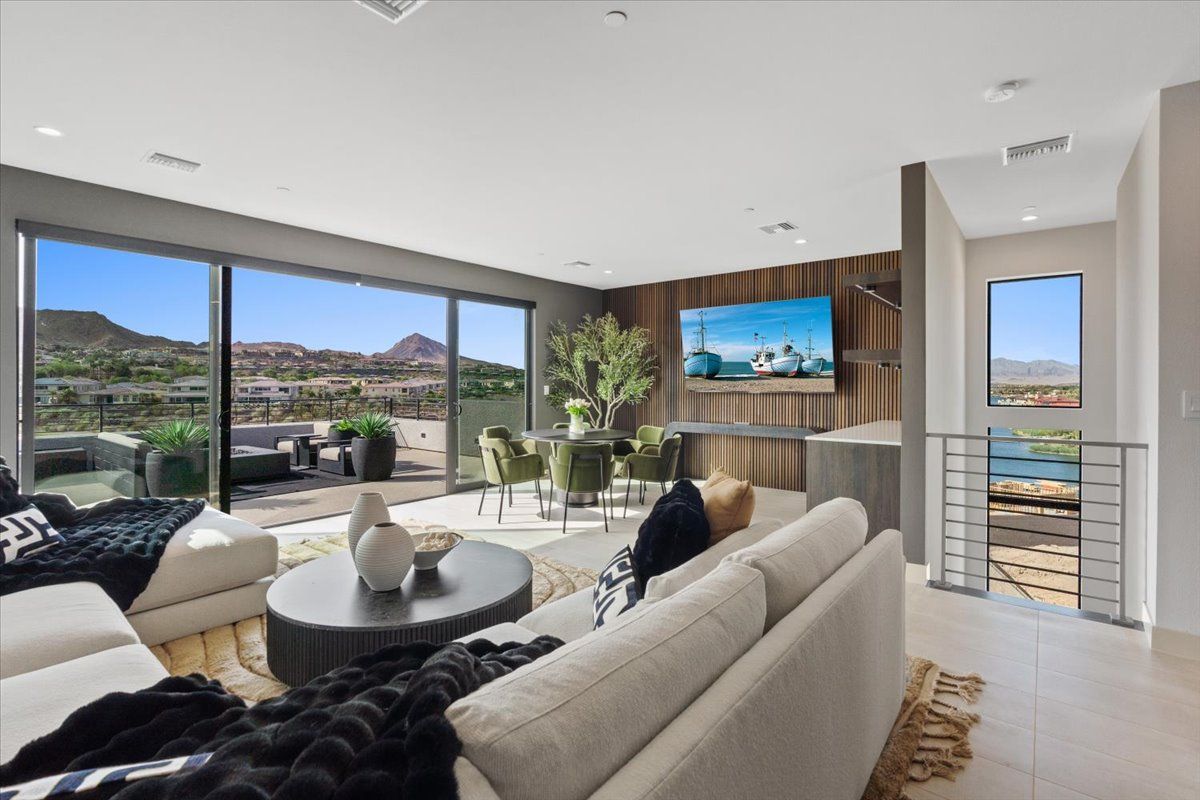
Your goals. Your home. Your advantage.


March 4, 2026

Best Areas to Buy Multi-Family Properties in Las Vegas (2026 Investor Guide)

Las Vegas has evolved far beyond a tourism-driven economy. Today, it’s one of the most dynamic rental markets in the Southwest, fueled by population growth, job diversification, and no state income tax. For investors seeking cash-flowing duplexes, triplexes, and fourplexes, the Las Vegas Valley offers a range of strategic submarkets — each with its own pricing structure, tenant profile, and return potential.

If you’re searching for the best areas to buy multi-family properties in Las Vegas, this in-depth guide breaks down the top neighborhoods, average price points, rental trends, and why each location stands out for investors.


Why Invest in Multi-Family Properties in Las Vegas?

Before we drill down into neighborhoods, here’s why multi-family real estate in Las Vegas remains attractive:

  • Strong population growth driven by relocation from California and other high-tax states

  • No Nevada state income tax

  • Expanding employment sectors: healthcare, logistics, tech, hospitality, and sports

  • High renter demand with continued housing affordability challenges

  • Landlord-friendly regulations compared to many West Coast markets

Multi-family investments — especially duplexes and fourplexes — allow investors to spread risk across multiple tenants while maximizing cash flow per parcel.


1. North Las Vegas – Best for Cash Flow & Entry Pricing

https://images1.loopnet.com/i2/X3sVVo7eRtSablyjqhAEHYS0_lF4CYvcR2nUDgGkYkU/118/2105-Webster-St-North-Las-Vegas-NV-Primary-Photo-1-Large.jpg
4

Why Investors Love It:
North Las Vegas consistently offers some of the most affordable multi-family properties in the valley with strong rental demand.

Investment Snapshot:

  • Duplex pricing: Typically lower than central Las Vegas

  • Fourplex pricing: Competitive compared to Henderson or Summerlin

  • Tenant base: Workforce renters, logistics, service, healthcare

  • Rental demand: Strong due to proximity to distribution centers and manufacturing

North Las Vegas benefits from:

  • Proximity to major logistics hubs

  • Continued new construction growth

  • High rental absorption rates

This area is ideal for investors seeking higher cap rates and steady cash flow rather than luxury appreciation plays.


2. Henderson – Best for Appreciation & Stability

https://cdn.listingphotos.sierrastatic.com/pics2x/v1724948780/95/95_2612644_01.jpg
4

Henderson consistently ranks as one of Nevada’s safest and most desirable cities.

Investment Snapshot:

  • Higher purchase prices than North Las Vegas

  • Stronger tenant profile

  • Lower vacancy rates

  • Strong long-term appreciation

Popular sub-areas for multi-family investment include:

  • Green Valley

  • Whitney Ranch

  • Older infill pockets near Water Street

Investors targeting long-term wealth building and appreciation often prefer Henderson due to school quality, infrastructure, and tenant stability.


3. Las Vegas – Central Las Vegas (East & Central Districts)

https://cdn.listingphotos.sierrastatic.com/pics2x/v1772223161/95/95_2759915_01.jpg
4

Central Las Vegas offers older inventory — which means opportunity.

Why It’s Attractive:

  • Many properties built between 1960–1990

  • Value-add opportunities

  • Below-replacement-cost pricing

  • Strong renter demand

These areas are ideal for:

  • Investors seeking forced appreciation

  • Renovation and rent increase strategies

  • 1031 exchange buyers looking for stable occupancy

Because of older construction, proper inspections and underwriting are critical.


4. Summerlin Adjacent Areas – Limited Supply, Premium Rents

While true multi-family inventory inside Summerlin is extremely limited, nearby pockets offer:

https://cdn.listingphotos.sierrastatic.com/pics2x/v1772223161/95/95_2759915_01.jpg
4

Investment Snapshot:

  • Higher acquisition cost

  • Premium rents

  • Lower tenant turnover

  • Excellent school zones

This strategy works well for:

  • Conservative investors

  • Long-term holds

  • Lower-maintenance tenant profiles

Cap rates may compress here, but stability and appreciation are strong.


5. Downtown & Arts District – Emerging Redevelopment Potential

https://media.lasvegassun.com/media/img/photos/2024/04/01/0401_sun_ShareDowntown01_t1200.JPG?a58a258a4dac404905303588401680fdf3ee23e4=
4

Downtown Las Vegas continues to experience revitalization driven by mixed-use development and business expansion.

Why Investors Watch This Area:

  • Walkability

  • Proximity to entertainment & employment

  • Shorter commute times

  • Younger renter demographic

This is a higher-risk, higher-reward strategy with appreciation upside as redevelopment continues.


Key Metrics to Analyze Before Buying Multi-Family in Vegas

Regardless of neighborhood, investors should evaluate:

1. Cap Rate

Typical multi-family cap rates vary by area and property condition. North Las Vegas often trends higher than Henderson.

2. Cash-on-Cash Return

With rising interest rates, financing structure significantly impacts returns.

3. Rent Growth

Las Vegas has historically seen strong rent appreciation during population surges.

4. Vacancy Trends

Most stabilized multi-family properties in strong submarkets maintain low vacancy when properly managed.

5. Property Age & Deferred Maintenance

Older fourplexes in central Las Vegas may offer value-add potential but require renovation budgeting.


Multi-Family Property Types in Las Vegas

Duplex (2 Units)

  • Ideal for first-time investors

  • Can house-hack (live in one unit)

  • Lower price barrier

Triplex (3 Units)

  • Less common inventory

  • Strong mid-level cash flow

Fourplex (4 Units)

  • Highest return per residential financing structure

  • Still qualifies for residential loans (up to 4 units)

  • Popular with experienced investors


Best Strategy by Investor Type

Investor Type Best Area
Cash Flow Focused North Las Vegas
Appreciation Focused Henderson
Value-Add Investor Central Las Vegas
Conservative Long-Term Summerlin Adjacent
Growth Speculator Downtown

Why Las Vegas Multi-Family Outperforms Many Markets

Compared to California:

  • Lower entry pricing

  • Higher rent-to-price ratios

  • No state income tax

  • Lower regulatory burden

Compared to Midwest markets:

  • Stronger population growth

  • Better appreciation potential

  • Major metro economy

Las Vegas sits in a unique middle ground — offering both cash flow and growth potential.


2026 Market Outlook for Multi-Family Investors

  • Continued in-migration from high-cost states

  • Constrained inventory in established neighborhoods

  • Ongoing infrastructure investment

  • Rental demand remains resilient

Investors who secure well-located properties in stable submarkets are positioned for both income and long-term equity growth.


Final Thoughts: Where Should You Buy?

There is no one-size-fits-all answer.

The best area to buy multi-family properties in Las Vegas depends on:

  • Your investment timeline

  • Cash flow needs

  • Risk tolerance

  • Renovation appetite

  • Financing strategy

If you're serious about building wealth with Las Vegas duplexes, triplexes, or fourplex investment properties, working with a local multi-family specialist is critical.


Ready to Find the Right Multi-Family Investment?

At Vegas Real Estate Advisors, we specialize in helping investors identify high-performing multi-family properties throughout:

  • North Las Vegas

  • Henderson

  • Central Las Vegas

  • Downtown

  • Summerlin-adjacent neighborhoods

Whether you're completing a 1031 exchange, expanding your portfolio, or purchasing your first duplex, we provide:

  • Investment analysis

  • Rental comps

  • Cash flow projections

  • Off-market opportunities

  • Strategic negotiation

Contact VegasRealEstateAdvisors.com today or call us directly at 725-328-1417 to discuss available multi-family properties and start building your Las Vegas investment portfolio.

The best opportunities move quickly — let’s secure yours.

Feb. 10, 2026

The Future of Housing Demand in Las Vegas: What Investors Need to Know

Las Vegas continues to be one of the fastest-growing real estate markets in the United States, attracting investors from California, Arizona, Texas, the Pacific Northwest, and international regions. Fueled by population growth, job creation, tourism expansion, and massive new development projects, the city’s housing demand shows no signs of slowing down.

Whether you’re investing in long-term rentals, new construction, luxury homes, or value-add properties, understanding the future of housing demand in Las Vegas is essential for positioning your portfolio for maximum growth. This guide breaks down the forces driving future demand and what investors should prepare for in the coming years.


Why Housing Demand in Las Vegas Is Rising

Las Vegas is no longer just a tourism-driven market. Over the last decade, the region has transformed into a diversified metro with strong economic stability and long-term growth potential.

1. Population Growth Remains Steady

Las Vegas consistently ranks among the top metros for inbound migration. Many buyers move here for:

  • Lower taxes
  • Lower cost of living
  • Warmer climate
  • More space and newer housing
  • Lifestyle amenities in Summerlin, Henderson, and the Northwest

This steady inflow creates long-term demand for both resale and rental properties.


2. Job Market Expansion & New Industries

The Las Vegas job market has diversified dramatically. Beyond hospitality and gaming, new industries include:

  • Professional services
  • Health care
  • Technology and data centers
  • Advanced manufacturing
  • Logistics and warehousing
  • Professional sports and event management

Major employers continue to develop large campuses, drawing skilled workers who need housing.


3. Professional Sports Are Transforming the Local Economy

Las Vegas has become one of the nation’s fastest-growing sports hubs. With the Raiders, Aces, Golden Knights, Formula 1, and soon the A’s, the city is experiencing massive investment in event infrastructure.
This increase in tourism and local employment fuels demand for:

  • Short-term rentals
  • Long-term rentals
  • Condos near the Strip
  • Luxury homes in master-planned communities

4. Limited Housing Inventory Continues to Constrain Supply

New construction cannot keep up with population growth, partly due to:

  • Land scarcity in core areas
  • Rising construction costs
  • Slower permit timelines
  • Strong buyer demand

When supply remains tight, prices remain strong—and rentals stay competitive.


5. Corporate Relocations & Remote Work Growth

Remote workers and relocated companies are choosing Las Vegas for:

  • No state income tax
  • More affordable housing vs. California
  • Proximity to major West Coast markets
  • Strong internet and infrastructure
  • High quality of life

This demographic shift strengthens demand in neighborhoods like Summerlin, Inspirada, Skye Canyon, and Henderson.


Future Trends Investors Should Monitor

1. Increasing Demand for New Construction

Builders are accelerating production in communities like:

  • Summerlin West
  • Cadence
  • Inspirada
  • Skye Hills
  • Desert Shores redevelopment zones

Investors may find opportunities in:

  • Move-in-ready homes
  • Build-to-rent projects
  • Pre-construction incentives

2. Rising Demand for Luxury & High-End Homes

Las Vegas continues attracting high-net-worth buyers seeking:

  • Guard-gated communities
  • Golf course estates
  • Architectural custom homes
  • Strip-view properties

High demand is expected in:

  • The Ridges
  • MacDonald Highlands
  • Ascaya
  • Summit Club
  • Southern Highlands
  • Lake Las Vegas

Investors targeting appreciation should keep these markets on their radar.


3. Strong Outlook for Rental Properties

Rental demand continues rising due to:

  • Incoming residents priced out of buying
  • Remote workers not ready to purchase
  • Corporate employees seeking temporary housing
  • High migration from California

Both long-term and mid-term rentals are expected to grow.

Airbnb remains restricted to certain areas due to regulations, but event-driven demand (Formula 1, NFL draft, concerts, sports) keeps it lucrative where legal.


4. Scarcity of Affordable Homes Driving Competition

Entry-level inventory is extremely limited, meaning:

  • High occupancy rates for rental homes
  • Strong rent growth in the $1,800–$2,500 range
  • Continued buyer competition under $450,000

This is a prime opportunity for investors seeking reliable long-term returns.


5. Appreciation Forecast: Slow but Steady Growth

Analysts expect home values to continue rising due to:

  • Housing shortages
  • Population growth
  • Expanding jobs
  • Strong investor presence
  • Builder limitations

Appreciation is projected to be stable—not extreme—which is ideal for long-term investors looking for predictable performance.


Where Investors Should Focus in the Coming Years

1. Henderson

High demand due to schools, master-planned communities, and luxury development.

2. Summerlin

The strongest long-term appreciation area in Southern Nevada.

3. North Las Vegas

Major growth corridor with expanding logistics and tech industries.

4. Skye Canyon & Skye Hills

High demand from families and remote workers.

5. Southwest Las Vegas

Close to the Strip, airport, and new business parks.

6. Golf Course and Guard-Gated Communities

Consistent demand from retirees, professionals, and luxury buyers.


What Investors Need to Do Now

To capitalize on the future of Las Vegas housing demand, investors should:

Monitor population and job growth trends

Target areas with consistent long-term appreciation

Consider new construction opportunities

Explore rental-friendly neighborhoods

Evaluate homes with high future buyer demand

Partner with a local expert to find undervalued opportunities

Las Vegas continues positioning itself as a stable and high-performing real estate market for long-term investment success.


Call to Action

If you’re considering investing in the Las Vegas real estate market, now is the time to get expert guidance. Whether you're evaluating long-term rentals, new construction, luxury opportunities, or value-add properties, our team can help you identify the strongest opportunities.

Contact Vegas Real Estate Advisors
📞 725-328-1417
🌐 VegasRealEstateAdvisors.com
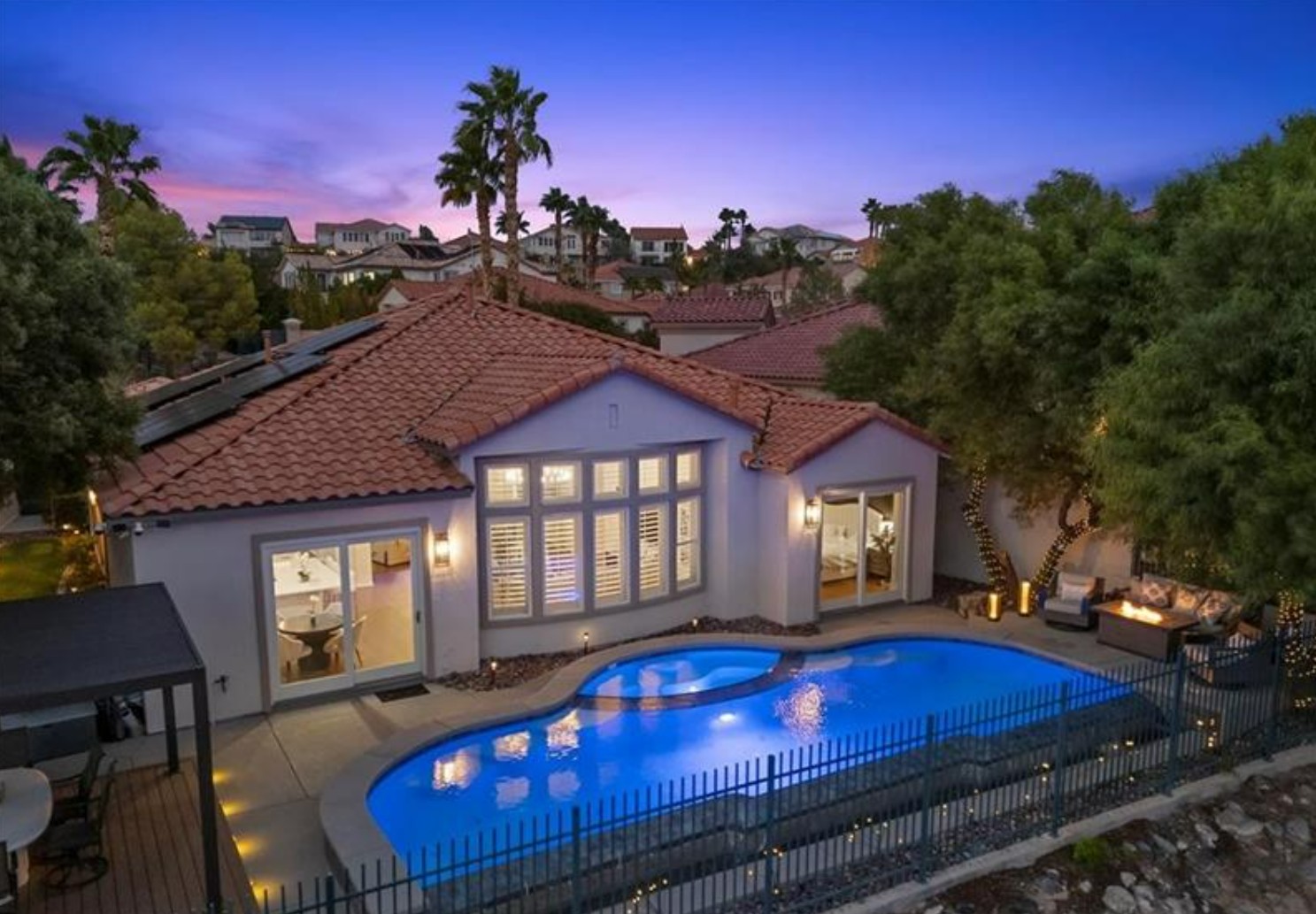
Your next investment opportunity is waiting — let us help you find it.