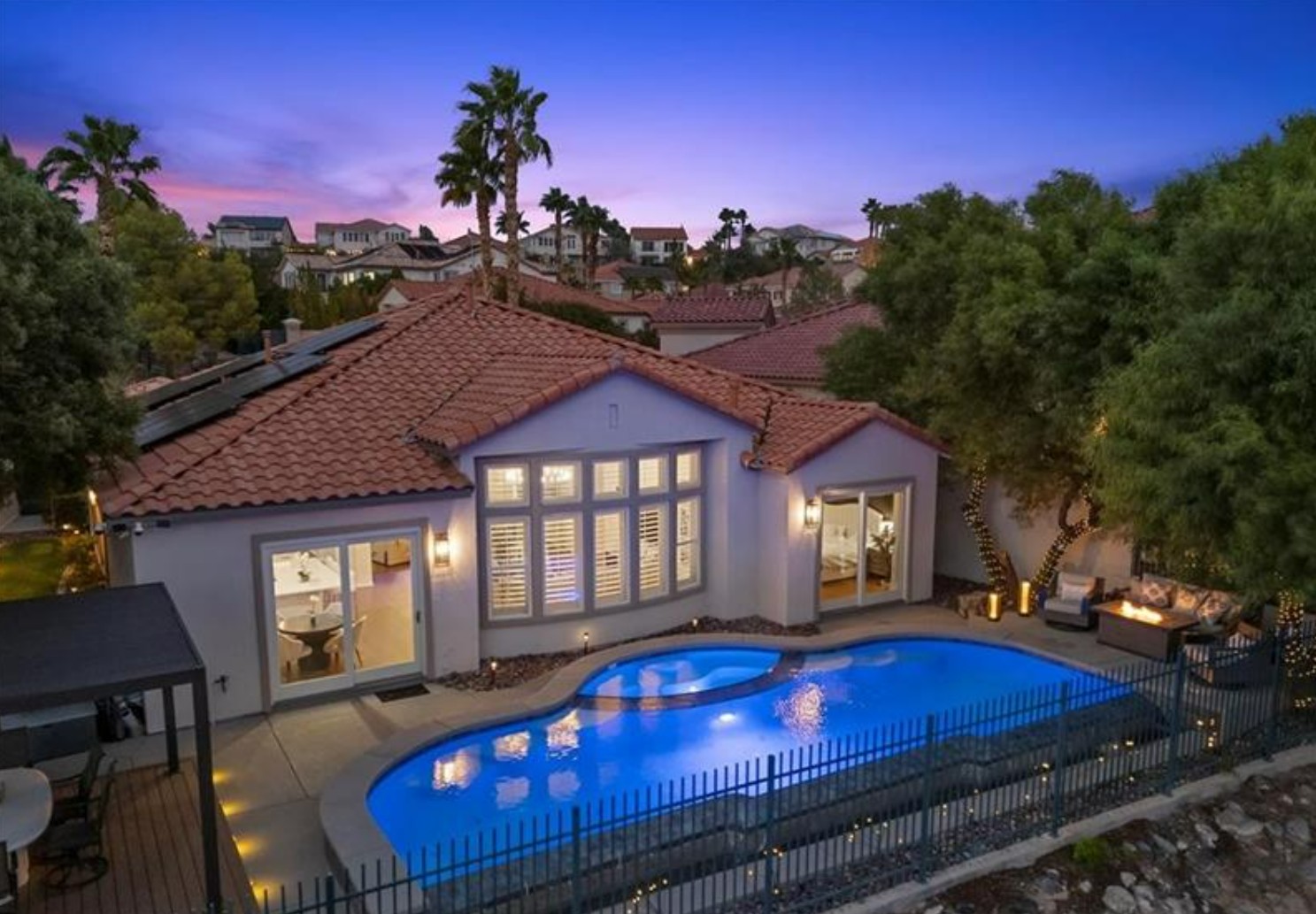
Fix-and-flip investing remains one of the most profitable real estate strategies in Las Vegas—when it’s done right. Older neighborhoods across the valley offer strong upside potential, but they also come with risks that can quickly erase profit if not properly evaluated. Understanding the local housing stock, renovation costs, buyer demand, and market timing is essential before committing capital.
This guide breaks down how to analyze fix-and-flip opportunities in older Las Vegas neighborhoods, what to watch for, and how to protect your margins.
Why Older Las Vegas Neighborhoods Attract Investors
Las Vegas has large pockets of housing built between the 1950s and 1980s. These areas often feature:
- Larger lot sizes
- Single-story floor plans
- Solid construction
- Central locations near Downtown, the Strip, and major freeways
As buyers increasingly seek character, proximity, and affordability, renovated homes in these neighborhoods continue to command strong resale demand.
Step 1: Identify the Right Neighborhoods
Not all older neighborhoods flip the same. The best fix-and-flip areas typically show:
- Rising resale prices over the last 12–24 months
- Strong owner-occupant presence
- Consistent buyer demand under the median price range
- Nearby redevelopment or infrastructure investment
Neighborhoods near Downtown Las Vegas, the Arts District, and established central corridors often present opportunity—but only when analyzed block by block.
Step 2: Analyze the Property, Not Just the Price
A low purchase price does not equal a good deal. Evaluate the property’s fundamentals:
Structure and Layout
- Foundation condition
- Roof age and integrity
- Ceiling heights and floor plan usability
- Load-bearing walls affecting remodel scope
Major Systems
- Electrical panels and wiring
- Plumbing type and condition
- HVAC age and efficiency
Older homes often require full system updates, which must be priced accurately.
Step 3: Renovation Scope and Budget Accuracy
Underestimating renovation costs is the fastest way to lose money.
Common renovation costs in older Vegas homes include:
- Full electrical upgrades
- Sewer line replacement
- Roof replacement
- Window and insulation updates
- Layout reconfiguration
Always build in a contingency buffer. Cosmetic-only flips are rare in older housing stock.
Step 4: Understand Buyer Expectations
Today’s buyers expect modern finishes—even in older neighborhoods.
Key resale drivers include:
- Open-concept layouts
- Updated kitchens and baths
- Energy-efficient windows and HVAC
- Neutral, modern design
- Curb appeal
Over-improving beyond neighborhood norms reduces ROI. The goal is to meet market expectations—not exceed them.
Step 5: Accurately Calculate ARV (After Repair Value)
ARV must be based on:
- Recent sold comparables—not listings
- Similar lot size and layout
- Same neighborhood or immediate area
- Renovation quality parity
Overestimating ARV is one of the most common investor mistakes in Las Vegas.
Step 6: Know the Numbers That Matter
Successful flips rely on strict financial discipline.
Key metrics include:
- Purchase price
- Renovation cost
- Holding costs (taxes, insurance, utilities)
- Financing costs
- Selling costs and commissions
Margins should allow room for market shifts.
Step 7: Permits, Zoning, and Code Compliance
Older homes often require:
- Permits for major renovations
- Compliance with current building codes
- Correct zoning use
Skipping permits can delay resale or derail closings entirely.
Step 8: Timing the Market and Exit Strategy
Vegas is a cyclical market. Investors must consider:
- Seasonal demand
- Inventory levels
- Interest rate environment
Having a backup plan—such as renting instead of selling—protects downside risk.
Common Fix-and-Flip Mistakes in Las Vegas
- Ignoring sewer or foundation issues
- Overpaying due to emotional bidding
- Over-improving the property
- Misjudging buyer demand
- Underestimating timeline delays
Local expertise helps avoid these pitfalls.
Why Local Representation Matters for Investors
A knowledgeable Las Vegas real estate advisor can:
- Identify off-market opportunities
- Provide accurate ARV analysis
- Connect you with trusted contractors
- Advise on neighborhood-specific resale trends
- Protect your margins from acquisition to exit
Ready to Find Profitable Fix-and-Flip Deals?
If you’re serious about investing in older Las Vegas neighborhoods, expert guidance makes the difference between profit and frustration.
Contact Vegas Real Estate Advisors today for data-driven insight, local market expertise, and investor-focused strategy.
📞 Call us at 725-328-1417
🌐 Visit VegasRealEstateAdvisors.com
We help investors evaluate smarter, move faster, and protect returns.